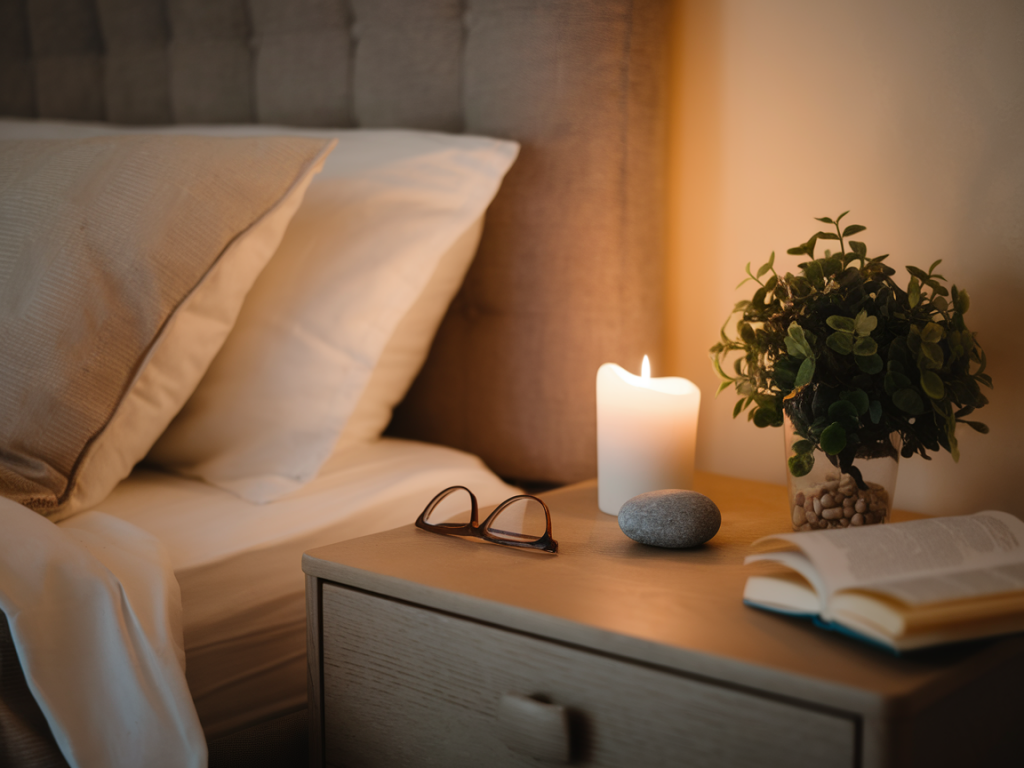
I’m a believer in small, practical changes that add up to better sleep. Over the years I’ve tested rituals, scents and pillow tweaks that actually work for me and for clients. If you’re lying awake scrolling or tossing and turning, this bedside toolkit is meant to be simple, science-backed and easy to try tonight. Below I share three scents that help shorten time to sleep, calming rituals you can adopt in 5–20 minutes, and pillow positions that support quick, comfortable drifting off.
Why scent, ritual and pillow position matter
Sleep isn’t just about being tired. Your bedroom cues—smell, motion and posture—send signals to your nervous system. Certain scents reliably activate relaxation pathways in the brain; short, consistent rituals help your body learn a sleep-ready routine; and comfortable, supportive pillow positioning reduces micro-awakenings that fragment sleep. Together, these elements lower sleep latency (the time it takes to fall asleep) and improve sleep quality.
Three science-backed scents to keep at your bedside
I keep a small tray with my favourite sleep smells on my nightstand. You don’t need expensive gear—just a little bottle of essential oil, a cotton pad, or a diffuser. Here are the three scents with the best evidence and how I use them.
Why it works: Lavender has one of the strongest evidence bases for improving sleep onset and quality. Multiple randomized controlled trials and reviews show lavender reduces anxiety and shortens sleep latency in both healthy sleepers and those with mild insomnia.
How I use it: I add 3–4 drops of lavender essential oil to a ceramic diffuser 20–30 minutes before bed, or put a drop on a cotton pad tucked into my pillowcase corner. If you’re new to essential oils, try a pre-diluted pillow spray (brands like This Works Deep Sleep Pillow Spray or Neal’s Yard Sleep Spray are convenient and travel-friendly).
Why it works: Chamomile contains apigenin, a compound with mild sedative effects that binds to benzodiazepine receptors in the brain. Trials show chamomile can reduce sleep onset time and improve sleep quality in people with insomnia.
How I use it: I enjoy a small cup of chamomile tea 30–45 minutes before bed, and sometimes combine it with 1–2 drops of chamomile oil on a bedside cotton ball. If you’re sensitive to caffeine or herbal teas, choose a quality caffeine-free blend or use the oil instead.
Why it works: Sandalwood’s woody aroma is linked to reduced sympathetic nervous system activation and increased parasympathetic (relaxation) activity. A few trials and neuroimaging studies suggest it can improve subjective sleepiness and calm the mind.
How I use it: Sandalwood works well in a nebulizing diffuser or as part of a blend (lavender + sandalwood is one of my favourites). If you want a warm, sustained scent, try a sandalwood-infused pillow balm or a hair mist to carry the scent near your head without wetting your pillow.
Bedside rituals that shorten time to sleep
Rituals don’t need to be long—consistency matters more than duration. I recommend picking one short ritual from each of these categories and doing them in the same order every night for at least two weeks to build the neural association between the steps and sleep.
What I do: I sit on the bed, close my eyes, and take 6 slow breaths (inhale 4 seconds, exhale 6 seconds). Then I do a quick body scan from head to toe, releasing tension as I go—jaw, neck, shoulders, hands, belly, legs.
Why it works: Slow exhalation activates the vagus nerve, lowering heart rate and encouraging calm. A body scan shifts attention away from ruminative thoughts and toward physical sensations, anchoring you in the present.
What I do: I stop screens 30–45 minutes before my intended sleep time. In the last 15 minutes, I switch on low lamp light, put on my lavender spray, and jot one short “done” list—three things I accomplished and one plan item for tomorrow—to quiet my mind.
Why it works: Reducing blue light helps melatonin rise naturally. The quick journaling practice reduces cognitive activation from unfinished tasks that often keep us awake.
What I do: On higher-stress nights I do 12–15 minutes of restorative movement: a slow yoga flow or 10 minutes of progressive muscle relaxation (tense each muscle group, then release). Finish with two minutes of diaphragmatic breathing.
Why it works: Light movement and muscle release reduce physical tension and anxiety without increasing arousal. Progressive muscle relaxation has strong evidence for reducing sleep latency in people with insomnia.
Pillow positions that help you fall asleep faster
Pillow choice and position influence how quickly you drift off, especially if you wake with stiffness or discomfort. Below is a simple table comparing three common positions I recommend based on different needs.
| Position | Best for | How I set it up | Why it shortens time to sleep |
|---|---|---|---|
| Back with neck roll | Neck support, neutral spine | Standard pillow under head + small cervical roll or folded towel under neck | Maintains natural cervical curve, reduces micro-awakenings from neck discomfort |
| Side with knee support | Snorers, pregnant people, lower back pain | Firm pillow for head, soft knee pillow between legs to align hips | Reduces spinal twist and pressure points that can wake you up |
| Reclined/hammock position | Acute back pain, acid reflux, insomnia caused by pain | Wedge pillow or adjustable bed, small pillow under knees | Decreases pressure on the spine and reduces pain-related arousals |
Quick troubleshooting and practical tips
If a scent feels intrusive, dilute it or place it further from your nose. Some people find scents stimulate memories or emotions—stop if it increases alertness.
If you can’t stick to a long ritual, pick the breathing practice and the digital sunset. They’re the most potent combination for lowering sleep latency quickly.
When choosing pillows: look for adjustable loft or memory foam that lets you fine-tune height. Brands I’ve used and recommended to clients include Coop Home Goods (adjustable shredded memory foam) and Tempur-Pedic for supportive neck shapes. For budget options, a folded towel works well as a neck roll.
Finally, consistency is the secret. Pick a scent you enjoy, a two-step ritual you can do most nights, and a pillow setup that feels supportive. Stick with it for two weeks and track your sleep latency with a simple note or a sleep app. Small, repeatable changes are how you train your body to fall asleep faster—and rise stronger tomorrow.