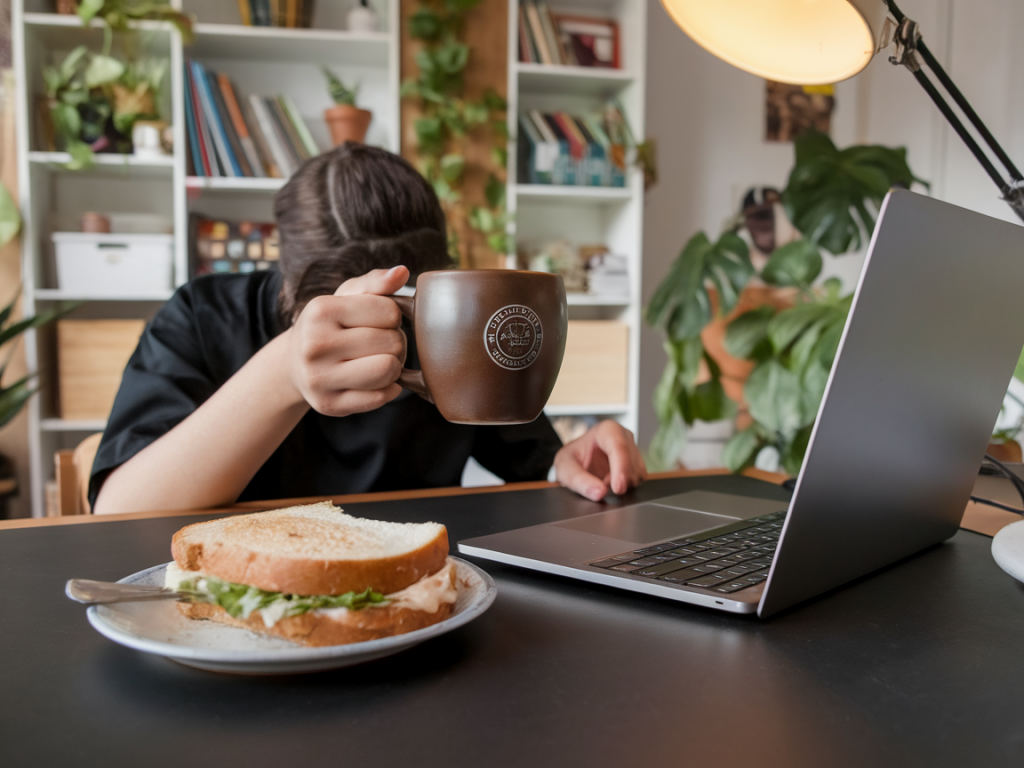
We’ve all been there: it’s mid-afternoon, your to-do list is staring at you, and suddenly your brain feels like a damp sponge. That 3pm energy crash can make the rest of the day a slog. Over the years I’ve experimented with many fixes — caffeine, long walks, sugar hits — and what finally stuck for me was a short, repeatable 10-minute snack-and-movement protocol that interrupts the crash and restores steady focus without overdoing it.
Why a combined snack + movement approach works
When energy dips, it’s rarely just about one thing. It’s a mix of mild hypoglycaemia (blood sugar fluctuations), low blood flow to the brain, and the body’s stress response when it senses fatigue. A quick snack with protein + fibre stabilises blood sugar, and gentle movement increases circulation, improves alertness, and resets posture — which alone can lift mood and cognitive function.
I designed this protocol to be practical for busy people: short, predictable, and effective. You can do it at your desk, in a kitchen, or even outside during a work break.
The 10-minute snack-and-movement protocol
Set a timer for 10 minutes. The structure is simple: 3 minutes to prepare and eat a small snack, and 7 minutes for a low-impact movement routine that can be done without special equipment.
3-minute snack: what to choose
Look for a snack that combines protein, a little healthy fat, and fibre. Avoid pure sugar spikes. Here are quick, practical ideas that I keep in my bag or desk drawer:
Below is a simple table to help you choose based on time and travel-friendliness:
| Snack | Protein (approx.) | Portable? | Prep time |
|---|---|---|---|
| Greek yogurt + chia + berries | 10–12 g | No (needs fridge) | 2–3 min |
| Apple + almond butter | 4–6 g | Yes | 1–2 min |
| Boiled egg + carrots | 6–7 g | Yes (if prepped) | 1–2 min |
| Mixed nuts + clementine | 5–7 g | Yes | 30 sec |
| Protein bar | 8–12 g | Yes | 0 sec |
7-minute movement routine
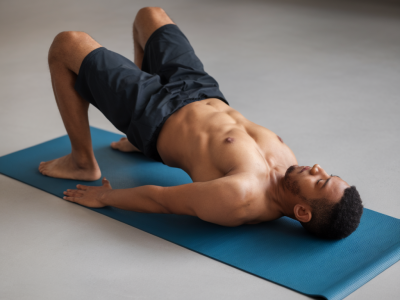
This is low-impact and meant to be done in work clothes if needed. No mat required. Move steadily, not sprint — the goal is wakefulness and circulation, not exhaustion.
Finish by returning to a seated position (if at a desk), taking a sip of water, and noticing how your energy feels. Often a small change is enough to keep you productive for another 90–120 minutes.
Personal tweaks that helped me
I used to rely on coffee, which masked the crash and sometimes made it worse. Switching to this mini ritual meant I could cut one of my afternoon coffees and still feel alert. A few practical habits I added:
Common questions
Will this work if I have blood sugar issues or diabetes? If you have diabetes or other metabolic conditions, speak with your healthcare provider before trying any new snack routine. The principle — combining protein and fibre with gentle movement — is generally helpful, but portions and choices may need adaptation.
Is 10 minutes really enough? Yes — it’s designed to be a quick reset. The goal is not to replace sleep or a healthy dinner; it’s to interrupt the downward spiral so you can finish the day strong. For persistent fatigue, review sleep, stress, and overall diet.
What if I don’t like the suggested foods? Use the same macronutrient idea: protein + healthy fat + fibre. If you’re vegan, swap to tofu cubes, hummus with veggies, or soy yogurt with seeds.
Troubleshooting — when it doesn’t work
If you try this for a week and still feel drained every afternoon, consider these possibilities:
A few times I needed an extended tweak: adding a 20-minute midday walk 3x a week boosted my baseline energy, making the 10-minute protocol even more effective on tougher days.
Make it your own
Small, repeatable rituals are what build resilience. This 10-minute snack-and-movement protocol is intentionally flexible — choose snacks you enjoy, and adapt the movements to your space and mobility. The most important thing is consistency: try it for two weeks and note how your mid-afternoons change.
If you want, I can create a printable checklist or a week of sample snacks tailored to vegetarian, vegan, or gluten-free preferences — tell me which and I’ll put one together for Phnxfitness Co readers.