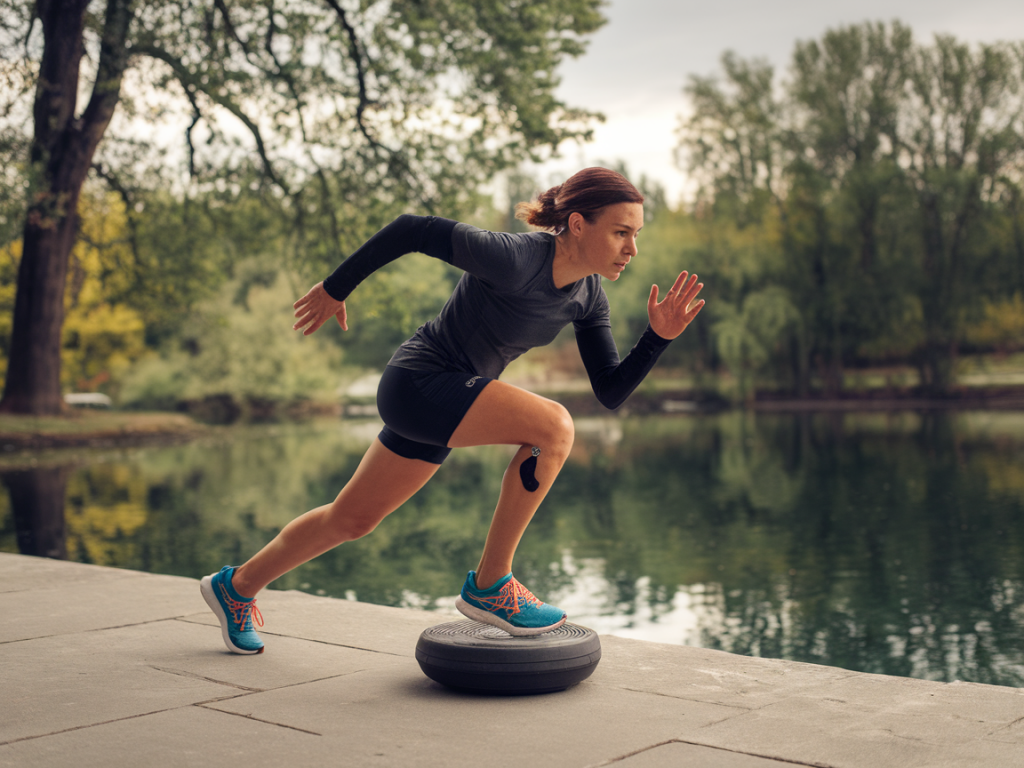
I used to ignore the subtle wobble in my knees at the end of longer runs — that tiny, unsettling shake that made stairs feel precarious and recovery take days. Over time I learned that small, targeted strength sessions done right after runs (or on easy days) can quiet that wobble and speed recovery. I call this approach microstrength: short, focused routines that build joint stability, muscle endurance, and movement quality without adding hours to your week. Below is a 20-minute, 12-move plan I use with busy runners. It’s simple, evidence-informed, and designed to fix knee wobble and improve how you feel the day after a run.
Why knee wobble happens — and why microstrength works
Knee wobble usually comes from a combination of tired hip and glute muscles, poor foot-to-hip coordination, and nervous-system fatigue. After a run your muscles are warm and receptive to targeted low-load work — a perfect window to reinforce stability patterns. Microstrength doesn’t aim for big hypertrophy gains; it targets neuromuscular control, small muscle endurance, and movement alignment. Do this consistently and you’ll notice steadier knees, fewer aches, and quicker recovery.
How to use this 20-minute routine
I recommend doing this routine twice a week after easy runs or on short-rest days. Each move is short and intentional — 45 seconds of work, 15 seconds to transition. Total time: ~20 minutes. If you’re very tired, reduce to 30 seconds on / 15 seconds off. Use a light resistance band (TheraBand or Fit Simplify loop) and a small soft ball (or folded towel) when prompted. A foam roller (TriggerPoint or similar) is nice for a quick pre-mobility roll but not required.
Warm-up (2–3 minutes)
Spend 2–3 minutes doing an easy dynamic warm-up so the nervous system is ready: brisk walk or light jog for 60 seconds, then 30 seconds each of leg swings (front-to-back and side-to-side) and ankle circles. Keep it purposeful — we’re not trying to fatigue, just wake up the movement patterns.
20-Minute 12-Move Microstrength Plan
| Move | Duration | Key cue |
|---|---|---|
| 1. Monster Walks (lateral) | 45s | Band around knees, small steps, press knees out |
| 2. Single-Leg Deadlift Tap | 45s (alternating) | Soft knee, hinge from hips, tap midline |
| 3. Clamshells | 45s each side | Band above knees, heels together, lift top knee slowly |
| 4. Split Squat Hold | 45s (each leg) | 90/90 split, drop into a controlled hold, keep pelvis level |
| 5. Heel-Elevated Bridge with March | 45s | Drive hips up, alternate small marches |
| 6. Calf Wall Stretch + Isometric | 45s | Lean into wall, then hold a calf raise for 10–15s repeats |
| 7. Lateral Step-Down | 45s (each side) | Slowly control descent from low step, watch knee tracking |
| 8. Short-Foot Activation | 45s | Pull ball of foot toward heel without curling toes |
| 9. Pallof Press | 45s (each side) | Anti-rotation with band; stand tall, press band out |
| 10. Single-Leg Isometric Hold | 45s (each leg) | Semi-flexed knee, slight hinge, hold steady |
| 11. Short Hip External Rotation | 45s (each side) | Seated with band, rotate foot outward slowly |
| 12. 90/90 Breathing with Pelvic Floor Cue | 45s | Good posture, diaphragmatic breaths and gentle pelvic lifts |
Movement notes and progressions
Here are short cues and why each move matters — I keep these in mind as I go through the set.
Recovery hacks I actually use
After the routine I usually do 2–3 minutes of foam rolling on quads and IT band if they feel tight, then hydrate and snack on a mix of carbs + protein (a banana with a small tub of Greek yogurt or a Recovery Drink like Nuun + a protein shake). Little habits like this speed glycogen replenishment and reduce next-day soreness.
How to measure progress
Watch for these signs over 4–8 weeks:
Keep a simple log: date, perceived wobble (0–10), and any pain. If wobble reduces but pain persists, see a physio — persistent pain isn’t something to push through.
Modifications and cautions
If you have acute knee pain, swelling, or a recent injury, check with a healthcare professional before starting. For runners with balance issues, use a chair or wall for the single-leg moves until you gain confidence. If you find a move aggravates symptoms, stop and substitute a lower-load version (for example, replace a step-down with a partial box squat hold).
Microstrength is about consistent small wins. It took me weeks of short, intentional sessions to notice the knee wobble fade — but once it started, my runs felt smoother and recovery time shortened. Try the 20-minute plan twice a week, tweak what doesn’t fit, and keep the focus on steady, sustainable progress.

