I used to hit the afternoon slump like clockwork: inbox stress, tight shoulders, brain fog, and a low-grade anxiety that made the rest of the workday feel longer than it needed to be. Over time I learned a short combo that works almost every time — a focused breathing practice paired with a 10-minute cold shower. It’s simple, portable, and surprisingly effective at resetting energy, calming the nervous system, and bringing clarity back into the afternoon. Below I share exactly how I do it, why it helps, and practical tips to make it feel doable (and even pleasant).
Why this combo works
Cold exposure and breathwork each influence the body’s stress response in complementary ways.
Breathwork modulates the autonomic nervous system. Slow, controlled breathing stimulates the vagus nerve and increases parasympathetic activity, which lowers heart rate and reduces anxiety. Techniques like box breathing or the 4-6-8 pattern can calm the mind within a few minutes.Cold exposure triggers a strong but brief sympathetic response, followed by a rebound increase in parasympathetic tone when you warm up. A cold shower quickly increases alertness, raises dopamine, and can interrupt rumination — that loop of anxious thoughts.Together, they create a controlled stress-recovery cycle: breathwork prepares and soothes you, the cold provides an invigorating reset, and post-shower breath and warmth promote relaxation and clarity. It’s a small, sustainable ritual that gives me a clear break from work without requiring a long walk or a nap.
What you’ll need
A shower with adjustable temperature — most modern showers work fine. If you have an electric on-demand heater (like some models by Triton or Aqualisa), test the cold setting first so it’s predictable.A timer or your phone to keep things precise (I use my watch).Comfortable clothing for after the shower and a warm towel.Optional: a light scent-free moisturizer, a quick herbal tea (chamomile or peppermint), and a quiet corner to breathe before and after.My 10-minute routine (step-by-step)
I keep this routine tight so it fits into a busy afternoon. Total time: 10 minutes.
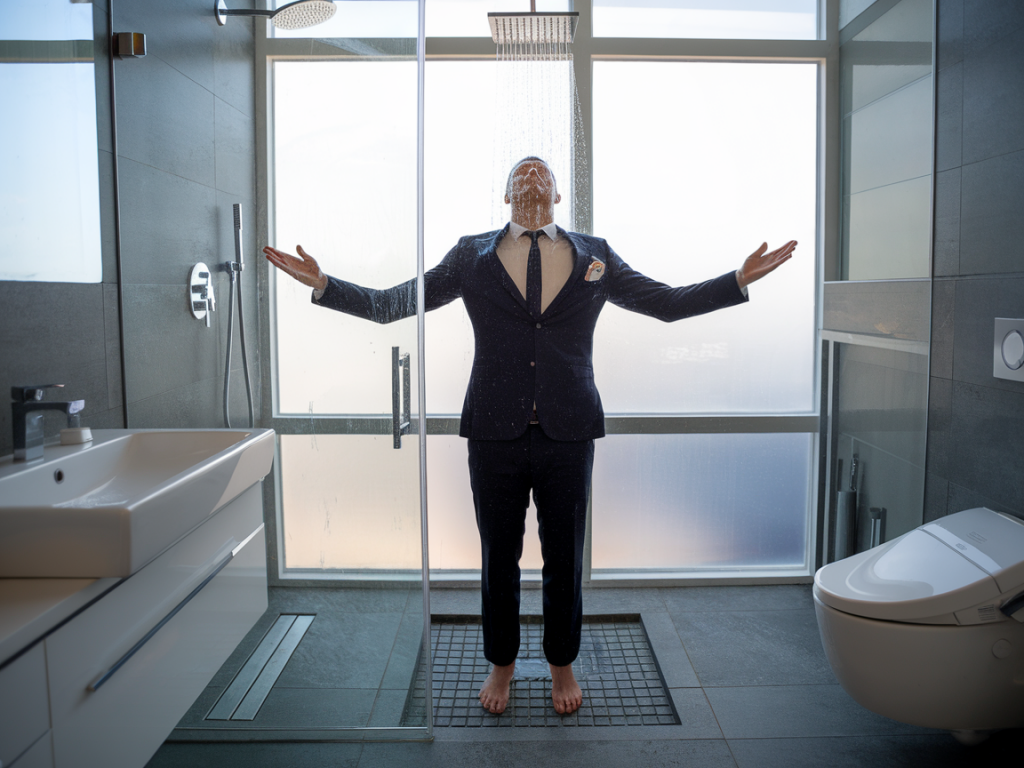
2 minutes — Reset with grounding breath: Stand or sit comfortably. I do three rounds of box breathing: inhale for 4, hold for 4, exhale for 4, hold for 4. This fast reset clears my head and brings attention to the body.1 minute — Prepare mentally: Remind yourself: “I’m doing this to reset, not to punish.” Visualize the cold as a signal to switch gears. Smile slightly — it helps shift mindset.6 minutes — Cold shower exposure: Start with lukewarm water for 10–15 seconds to get in, then switch to cold. Aim to keep your torso and upper chest under the water. I count slowly or breathe steadily to keep my jaw and shoulders relaxed. Stay under cold water for 3–6 minutes depending on tolerance. If you’re new, begin with 30–60 seconds and add time weekly.1 minute — Gentle breath and warm-up: After the shower, wrap in a towel and do 30–60 seconds of slow exhalation-focused breathing: inhale 3–4 seconds, exhale 6–8 seconds. Put on a layer and sip a small amount of water or warm tea.Tips for getting started
Progress gradually: If a full 6-minute cold shower feels impossible, start with 30 seconds to 90 seconds. Increase by 15–30 seconds each session.Use breath as your anchor: Tight shoulders and panicked breathing are natural. Keep breath slow and steady — it’s the tool that keeps your nervous system from flipping into panic.Focus on the chest and upper back: Exposing your torso to cold gives a bigger systemic response than just splashing cold on the hands or face.Wear a watch or set a silent timer: Checking the clock in the shower makes it feel longer. Set a gentle alarm so you can stay present.Listen to your body: If you have cardiovascular concerns, chronic respiratory conditions, or other health issues, check with a healthcare provider before attempting cold exposure. Cold is a stressor — we want controlled adaptation, not shock.How I adapt the routine for different afternoons
Not every day needs the same intensity. Here are variations I use:
| Low-energy, foggy day | Longer breathwork (5 minutes), cold shower 4–6 minutes, followed by light movement (5 squats, shoulder rolls). |
| Cranky, anxious day | Shorter cold exposure (60–90 seconds) with slower breathing before and after; chamomile tea afterward to assist calming. |
| Quick reset between meetings | 30–60 second cold rinse and one minute of paced breathing. Quick, effective, and won’t leave you shivering. |
Why I recommend pairing breathwork with cold, not just one or the other
When I tried cold showers alone, they woke me up but left my mind jittery — the sympathetic spike can feel like caffeine for some. Breathwork alone was calming but sometimes didn’t break entrenched ruminations. Combining them gives the best of both: a focused way to interrupt anxious thinking (cold) plus a method to downshift into a calmer state (breath). The contrast creates an obvious before-and-after that helps me return to work with intention.
Practical notes and favorite small additions
Time of day: I use this in the early to mid-afternoon — prime slump time. It also works after a stressful call or before a difficult task.Clothing: Keep a warm sweater or shawl nearby. Rewarming comfortably matters for the overall effect.Products I like: Unscented, gentle soap (e.g., Cetaphil or Bioderma) so the cold is the focus, not a strong scent. A simple thermal mug for post-shower tea helps the transition.Record it: I track how I feel 10–15 minutes after the routine in a simple notes app so I can see what duration works best. Small data helps tweak the practice without guesswork.Common questions I get
Will cold showers make me sick? No — brief cold exposure doesn’t cause colds; viruses do. If you’re already unwell, be gentler. The goal is controlled exposure, not shock.What if I can’t stand the cold? Start with very short exposures. Even a single minute can shift your nervous system. Use breathwork to steady yourself and celebrate each increase in duration.How often should I do this? I do it 3–5 times a week in high-stress periods, and 1–3 times when life is smoother. Consistency matters more than intensity.This little ritual is one of my favorite mid-day hacks: quick, evidence-informed, and kind to a busy schedule. If you try it, tweak it to suit your rhythm and let me know how you adapt it — I love hearing reader experiments and small wins.