I wake up stiff more often than I'd like — especially during busy weeks or after long days at a desk. Over time I learned that two small, consistent actions before I even swing my feet out of bed change my whole morning: a 10-minute bedside mobility routine and a gentle protein-rich snack that helps my muscles recover and eases morning tension. Here’s the exact sequence I use most mornings, plus why it works, how to adapt it, and answers to the common questions people ask about morning stiffness and recovery.
Why bedside mobility and a protein snack?
When we sleep, joints and muscles cool down and stiffen — especially if you slept in one position, under a heavy duvet, or without movement breaks the day before. Gentle mobility gets synovial fluid moving in the joints, warms up tissues, and resets nervous system tension. A small protein-containing snack provides amino acids to support early recovery and can reduce muscle soreness for the rest of the day.
I like this combo because it’s simple, doable from bed, and compassionate: no intense stretches or “shake it off” mentality — just small, nourishing actions that add up. It also fits perfectly with Phnxfitness Co’s philosophy: steady progress, gentle habits, and realistic routines that you can repeat daily.
My 10-minute bedside mobility routine (step-by-step)
All you need is your bed, a pillow, and comfortable clothes. Move slowly and breathe — every movement should feel easy and controlled. If anything hurts sharp or radiates, stop and consider seeing a professional.
Lie on your back, knees bent, feet on the mattress. Take three slow breaths in through the nose, out through the mouth. Scan your body from toes to head: where do you feel most tight?
Still on your back, gently tuck your pelvis to press your lower back into the mattress, then release. Repeat 8–10 times, syncing with your breath. This wakes up your lumbar spine and hip flexors.
Bring one knee to your chest, hugging it gently for 3–4 breaths, then switch sides. Finish with both knees hugged for 4 breaths. This opens the lower back and glutes.
With knees together and bent, let them fall to one side while you look gently to the opposite shoulder. Hold 3 breaths, then switch. Keep movement small if hips are tight.
If you can sit up, place hands on knees and round your back on an exhale, arch on an inhale. If you prefer staying low, do cat-cow on hands and knees on the bed. 6–8 slow reps.
Seated or standing beside your bed, roll shoulders gently back and down 6 times, then forward 6 times. Tilt neck side-to-side and nod for 6 slow repetitions. Keep jaw relaxed.
Extend one leg and point/ flex the foot 10 times, then switch. Finish with a standing calf stretch against the bed edge if comfortable.
Roll to your side, use forearm to push into a seated position, pause for breath, then stand slowly, pressing through your legs and keeping core engaged. Shake your arms gently and take a moment to notice how you feel.
My go-to gentle protein snack (ready in 2 minutes)
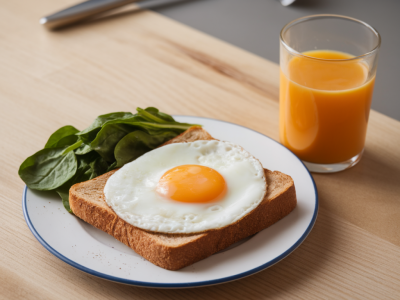
I aim for 8–15 grams of protein in a small, easy-to-digest form. It’s not a full meal — just a little boost for muscles and to stabilise blood sugar after waking. Here are quick options I rotate through:
I often keep single-serve yogurt or a scoop of powder by my bedside so I can sip it after the mobility set. If you’re plant-based, pea protein powders, soy yogurt, and tofu scrambles work well.
How often and when should you do this?
I do this routine most mornings — especially after long bike commutes, desk-heavy days, or travel. If mornings are rushed, even 5 minutes of the mobility sequence plus a small protein snack makes a noticeable difference. Aim for daily consistency for best results; stiffness tends to respond to regular gentle movement rather than occasional intense sessions.
What about pain, injuries, or chronic conditions?
If you have an acute injury, severe pain, inflammatory conditions, or a recent surgery, check with a physiotherapist or doctor before doing mobility work. The routine above is intentionally gentle, but it’s not a substitute for tailored medical advice. If an exercise increases sharp pain, stop and modify — for example, reduce range of motion, skip twists, or substitute with deep diaphragmatic breathing and gentle walking.
Tips to make this routine stick
Common questions I hear
Will this stop morning stiffness completely? For many people, consistent gentle movement and supporting nutrition reduce stiffness a lot — sometimes eliminating it. For others with chronic conditions, it significantly improves mobility but may not remove stiffness entirely. The key is regularity and combining mobility with better sleep setup and daytime movement breaks.
Is protein really necessary? The small snack isn’t magic, but protein early helps supply amino acids to muscles, supports recovery, and can reduce perceived stiffness, especially after strength work. If you had a protein-rich dinner and feel fine, skip it some days — listen to your body.
Can I do this if I’m not a morning person? Yes. Start with 1–2 minutes of the routine and one bite of a protein snack. Tiny wins build confidence and habit. Over a week or two you’ll likely find it easier to add more.
If you try this tomorrow, notice how your first hour feels — sometimes the smallest, kindest acts make the biggest difference. If you have specific areas that stay stubbornly stiff, tell me what they are and I’ll share targeted moves or snack tweaks that have helped my readers and me on Phnxfitness Co.