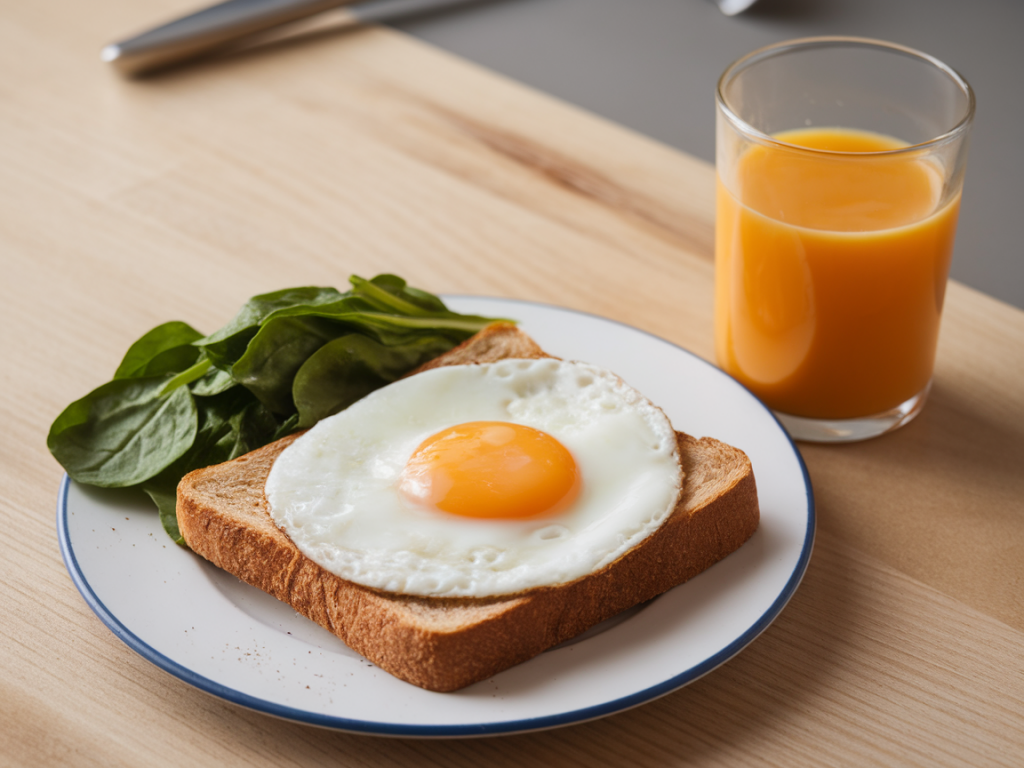
I used to rely on coffee and quick carbs to get me through busy mornings. It worked—until it didn’t. Energy crashes, foggy afternoons, and that feeling of running on fumes became all too familiar. Over time I learned that steady energy isn’t about more caffeine; it’s about the right mix of micronutrients that support blood sugar stability, oxygen delivery, and cellular energy production. Below I share the three micronutrients I prioritise most for steady energy, why they matter, and how to get them together in one simple breakfast I make regularly.
The 3 micronutrients I focus on for steady energy
When I think about sustained energy, I look for nutrients that help with three things: carrying oxygen, converting food into usable energy (ATP), and keeping blood sugar balanced. The three micronutrients that consistently make the biggest difference for me are:
These three work together: iron helps deliver oxygen to cells, B12 helps turn nutrients into energy, and magnesium keeps the energy machinery running smoothly. I’m careful to include them regularly, and I find a single thoughtfully composed breakfast can deliver meaningful amounts of each.
Why each nutrient matters (short and practical)
Iron: Low iron leads to poor oxygen delivery and tiredness. Women of reproductive age and anyone who follows a plant-based diet are at higher risk. Heme iron (from animal sources) is more easily absorbed, but pairing plant iron with vitamin C boosts uptake.
Vitamin B12: Critical for red blood cell formation and energy metabolism. Low B12 feels like persistent fatigue and brain fog. Vegans and some older adults often need fortified foods or supplements.
Magnesium: You need it for converting glucose and fats into usable energy. It also helps with calmness and better sleep—both important for daytime energy. Foods like nuts, seeds, and whole grains are good sources.
One simple breakfast to cover all three
This is my go-to: a warm savory oats bowl with spinach, smoked salmon (or smoked tofu), a soft-boiled egg (or chickpea scramble), lemon, and a scatter of pumpkin seeds. It’s fast, flexible, and I can make it in under 15 minutes.
Why this works:
Recipe: Savory Energy Oats Bowl (serves 1)
Ingredients
Method
Nutrition snapshot (approximate)
| Nutrient | Main contributors in this bowl | Why it helps |
|---|---|---|
| Iron | Spinach, pumpkin seeds, smoked salmon/smoked tofu | Supports oxygen transport; combats fatigue |
| Vitamin B12 | Smoked salmon or fortified tofu/plant milk, egg | Energy metabolism and red blood cell formation |
| Magnesium | Pumpkin seeds, oats, spinach | ATP production, muscle function, calmness |
Practical tips to boost absorption and balance
Small tweaks make a big difference:
Vegan or vegetarian swaps
If you don’t eat animal products, you can still cover these nutrients with minor adjustments:
When to consider testing or supplementing
If you’re experiencing persistent fatigue, breathlessness, or brain fog despite making dietary changes, get checked. I encourage clients to test iron status (ferritin, hemoglobin), B12, and vitamin D if relevant. Some people need a short course of iron supplements or B12 injections/strong oral doses—especially long-term vegans. I always recommend working with a GP or registered dietitian for this.
This savory oats bowl is one of my favourite ways to start the day because it’s quick, adaptable, and checks a lot of microscopic boxes for steady energy. Try it a few mornings in a row, notice how you feel mid-morning and mid-afternoon, and tweak it to what you enjoy. Small, repeatable choices like this are where steady energy is built—one nourishing breakfast at a time.