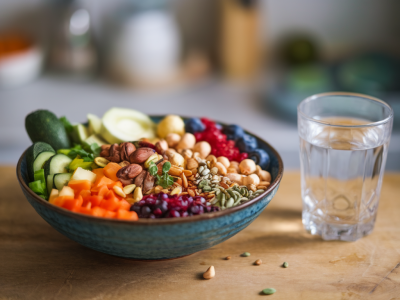
I used to be that person who reached for coffee and a sugary snack every afternoon and wondered why at 3pm I felt like a drained phone on 2% battery. Over the years I experimented, adjusted, and learned what actually shifts energy levels sustainably: a short, focused morning mobility practice paired with a simple, balanced small-meal formula mid-morning. Together they stop the mid-afternoon slump more reliably than another espresso ever did.
Why mobility + a smart small meal beat the 3pm crash
People often ask: “Isn’t the crash just about caffeine or sugar?” Partly, yes. But fatigue is also about circulation, posture, blood sugar regulation, and the hormonal ripple effects from your morning choices. When you sit with tight hips, rounded shoulders, and shallow breathing, your nervous system stays in a low-energy state. Add a breakfast that’s high in refined carbs and low in protein or fat, and you’ve set the stage for a fast blood-sugar dip a few hours later.
That’s why I designed a two-part strategy: a 12-minute morning mobility sequence to wake and prime your body, and a small-meal formula that stabilizes blood sugar and keeps you satisfied without weighing you down. It’s simple, repeatable, and works on busy days.
The exact 12-minute morning mobility routine I do (and why)
This routine needs no fancy equipment — a yoga mat and a chair are useful. I do it after getting out of bed and before I dive into emails or coffee. It raises heart rate gently, opens key joints, improves posture, and primes the nervous system for focus.
- 0:00–1:30 — Diaphragmatic breathing & ankle circles
I stand or sit tall, place hands on the belly, inhale for 4, exhale for 6, repeat for 6 breaths. Then barefoot ankle circles (30s each side). Why: breathing calms the nervous system; mobile ankles improve gait and circulation.
- 1:30–3:30 — Cat–Cow with thoracic rotation
On hands and knees, flow through 6 rounds of cat–cow, then add 6 thoracic rotations per side (thread the needle). Why: awakens the spine and upper back, reduces neck/shoulder stiffness from screen time.
- 3:30–5:00 — World's Greatest Stretch (split sides)
From a lunge, reach opposite arm overhead and rotate toward the front leg, holding 30s each side. Why: opens hips, hamstrings, and thoracic spine for better posture.
- 5:00–6:30 — Hip CARs (controlled articular rotations)
Standing, lift knee and circle slowly 6 times each direction per side, keeping pelvis stable. Why: improves hip control and prevents stiffness from sitting.
- 6:30–8:00 — Glute bridges with march
Lie down, drive hips up into a bridge, then alternate lifting each knee toward chest in a controlled march for 8–10 reps each side. Why: activates posterior chain and stabilises low back.
- 8:00–9:30 — Standing chest opener & band pull (or towel)
Interlace fingers behind your back and lift hands into a chest opener; add a few band pull-aparts if available. Hold/open for 6–8 breaths. Why: counters forward-shoulder posture and encourages deeper breathing.
- 9:30–11:00 — Lateral lunges with reach
Step wide into a lateral lunge, reach opposite hand toward foot and then up. 6 reps each side. Why: improves lateral strength and hip mobility, useful for everyday side-to-side movements.
- 11:00–12:00 — Grounding breath & single-leg balance
Finisher: stand tall, close eyes, balance single-leg for 20–30s each side while breathing slowly. Why: anchors focus, improves proprioception, and signals “ready” to the brain.
This routine takes me 12 minutes, but the benefit is that I’m moving joints through ranges they’ll need all day. Movement increases blood flow, improves alertness, and reduces that lethargic slump later on.
My small-meal formula to avoid afternoon energy dips
Timing and composition matter. I aim for a small meal or substantial snack 2–3 hours after breakfast (often around mid-morning). The goals are to balance blood sugar, supply steady energy, and include components that satisfy appetite and cognitive focus.
Use this simple formula as your template. It’s flexible and travel-friendly:
- Protein (~15–25g) — eggs, Greek yogurt, cottage cheese, canned tuna, smoked salmon, or a small scoop of whey/plant protein. Protein slows digestion and stabilizes glucose.
- Healthy fats (~8–15g) — a handful of nuts, 1 tbsp nut butter, 1/4 avocado, or olive oil drizzle. Fats add satiety and support steady energy.
- Low–moderate GI carbohydrates (~15–30g) — fruit (apple, berries), oats, whole-grain crispbreads, or a small sweet potato. Carbs provide immediate fuel without a spike if paired with protein and fat.
- Vegetables or fiber — raw veg, mixed greens, or chia seeds to increase fullness and digestive health.
Quick example small meals I actually make
I keep a few go-tos that follow the formula. These are easy to assemble and portable if I’m heading out.
| Meal | What’s in it | Why it works |
|---|---|---|
| Greek yogurt bowl | 170g Greek yogurt + 1 tbsp almond butter + 1/3 cup berries + 1 tbsp oats | Protein + healthy fat + low-GI carbs and fibre for steady energy |
| Savory rice cake | 2 whole-grain rice cakes + 1/4 avocado + smoked salmon + lemon | Fast, balanced, light but satisfying — good on the go |
| Tuna & veggie pot | Canned tuna in water + chopped cucumber/tomato + 1 tsp olive oil + wholegrain cracker | High protein and hydrating veggies prevent mid-day fog |
| Overnight oats jar | 35g oats + 150ml milk or plant milk + 1 scoop protein + tbsp chia + berries | Prep ahead, balanced macros and fibre |
Common questions I hear
Q: Isn’t 12 minutes too short to matter?
A: No. Short, consistent practices that target mobility and circulation beat sporadic long sessions. The key is regularity — daily 12 minutes primes your body and compounds over weeks.
Q: What if I don’t have time for a mid-morning snack?
A: Even a small combo — a boiled egg and an apple, or a yogurt pot — helps. The trick is to include protein + fat + some carbs. If you skip it, aim for a heartier, balanced breakfast instead and break up work with brief standing breaks.
Q: Will this stop all tiredness?
A: No strategy is magic. Sleep, hydration, stress management, and overall nutrition all play roles. But pairing morning mobility with the small-meal formula shifts the common physiological drivers of the 3pm crash and gives you more sustainable afternoons.
Q: Any tools or products you recommend?
A: I like a simple resistance band for shoulder and band pull-aparts (TheraBand or any basic loop). For meals, reusable jars and portable containers from brands like Sistema make prepping and transporting small meals easy. A basic kitchen scale helps if you’re tracking portions, but it’s not essential.
How I build this into a real week
I do the mobility routine every morning, even on weekends, because consistency is everything. For the small-meal formula, I prep two to three options on Sunday — overnight oats, tuna pots, and snack bags of nuts + fruit — so I’m not tempted to reach for quick sugar. When I travel, I opt for Greek yogurt or a protein bar that lists real-food ingredients and has at least 10–12g of protein.
If you try this, start small: commit to the 12-minute routine for five consecutive workdays and choose one small-meal option to eat mid-morning. Notice how your afternoon energy and focus feel over one week, then tweak what doesn’t fit. I love hearing reader experiments — tell me what worked or what you changed so we can adapt the approach to real life.