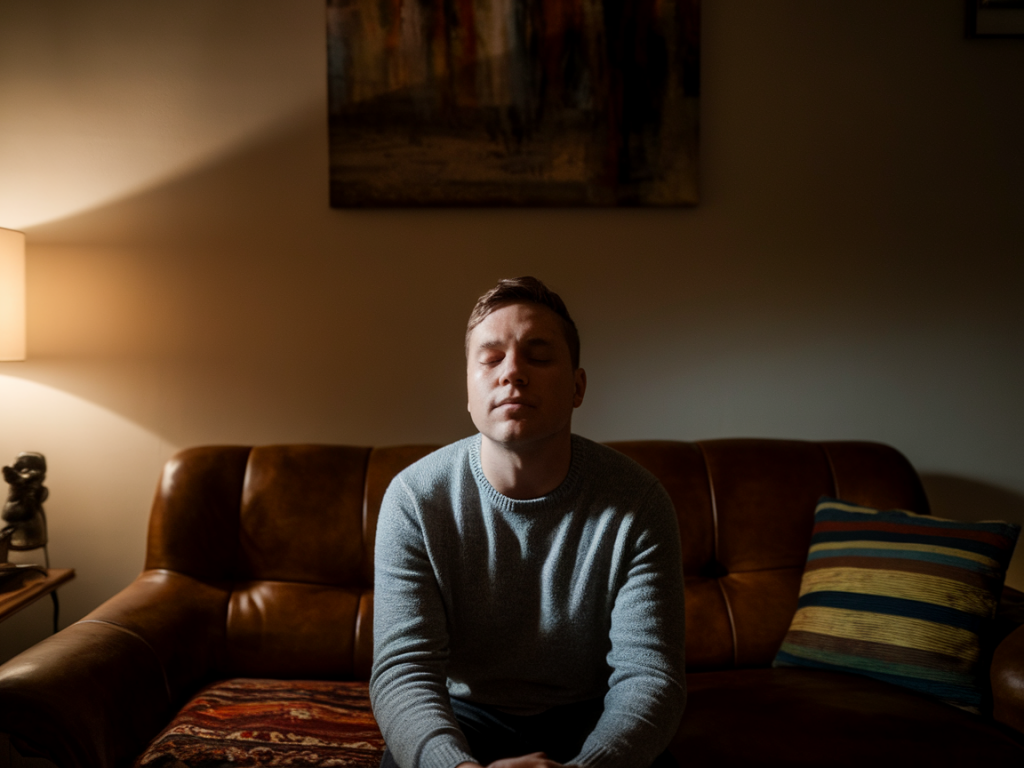
When nights feel busy in my head and my body stays wired long after the lights are out, progressive muscle relaxation (PMR) is the simple practice I return to. It’s a quiet, reliable way to release tension before bedtime — no equipment, no special skills, just guided attention to help your muscles let go. I want to share the practical how-to, variations that fit different nights, and troubleshooting tips that have helped the people I coach and myself over the years.
What is progressive muscle relaxation and why it works
Progressive muscle relaxation is a relaxation technique developed by Dr. Edmund Jacobson in the 1920s. It involves deliberately tensing groups of muscles, holding that tension briefly, then releasing and noticing the contrast of relaxation. The idea is simple: by making you consciously aware of muscle tension and how it feels to let it go, PMR helps down-regulate your nervous system and reduce the physical signs of stress.
There’s decent research showing PMR can reduce anxiety, improve sleep quality, and lower physiological arousal — which is exactly what we want before bed. For me, the power lies in the contrast: when I tighten my shoulders for a few seconds and then release, the relief feels amplified and real.
When to practice PMR
I usually recommend doing PMR as part of a wind-down routine that starts 20–60 minutes before you intend to sleep. It works well after dimming lights, putting devices on low, and doing any other calming practices you like (a warm drink, light reading, or a gentle stretch). If you have a particularly restless night, a shorter PMR session can be done in bed right before you close your eyes.
Simple step-by-step PMR session (15–20 minutes)
This is the full version I teach most often. You can shorten it by grouping muscle areas or skipping smaller groups.
Shorter versions and variations
Some nights I do the full practice; other nights I need a quick reset. Here are shorter options:
Helpful cues and a short script
When I guide clients, I use simple sensory language to anchor their attention. You can whisper this to yourself or follow it mentally:
Tools and apps that can help
While PMR needs no tools, some resources make it easier to stick with the habit:
Common questions and troubleshooting
Here are things people ask me most often.
What if my mind won’t quiet down?That’s normal. Treat thoughts like clouds passing through. Bring your attention back to physical sensations — the warmth in your hands, the heaviness of your legs. Counting breaths can also help (inhale 1, exhale 2, up to 10, then start again).
Is PMR safe if I have chronic pain?Usually yes, but modify tensing movements that cause pain. Tense gently or use imagery instead (imagine the muscle tightening, then releasing). If you’re unsure, check with a healthcare provider.
How often should I do it?Start with 3–4 times a week. If you notice better sleep or less muscle tension, you can make it a nightly habit. Even a short session on tough nights helps.
How I integrate PMR into a nightly routine
My go-to wind-down looks like this: lights dimmed, a cup of caffeine-free tea (chamomile or rooibos), a 10-minute stretch or walk if I’ve been sitting, then 10–15 minutes of PMR in bed with a soft blanket. If I’m feeling busy, a 5-minute PMR later in the night often steadies me enough to fall asleep.
PMR is one of those low-effort, high-return tools. It’s compassionate — you don’t force sleep, you invite rest. Try it a few times this week and notice where your body holds tension. Small, consistent releases can make the difference between a restless night and waking up feeling like you’ve actually recovered.