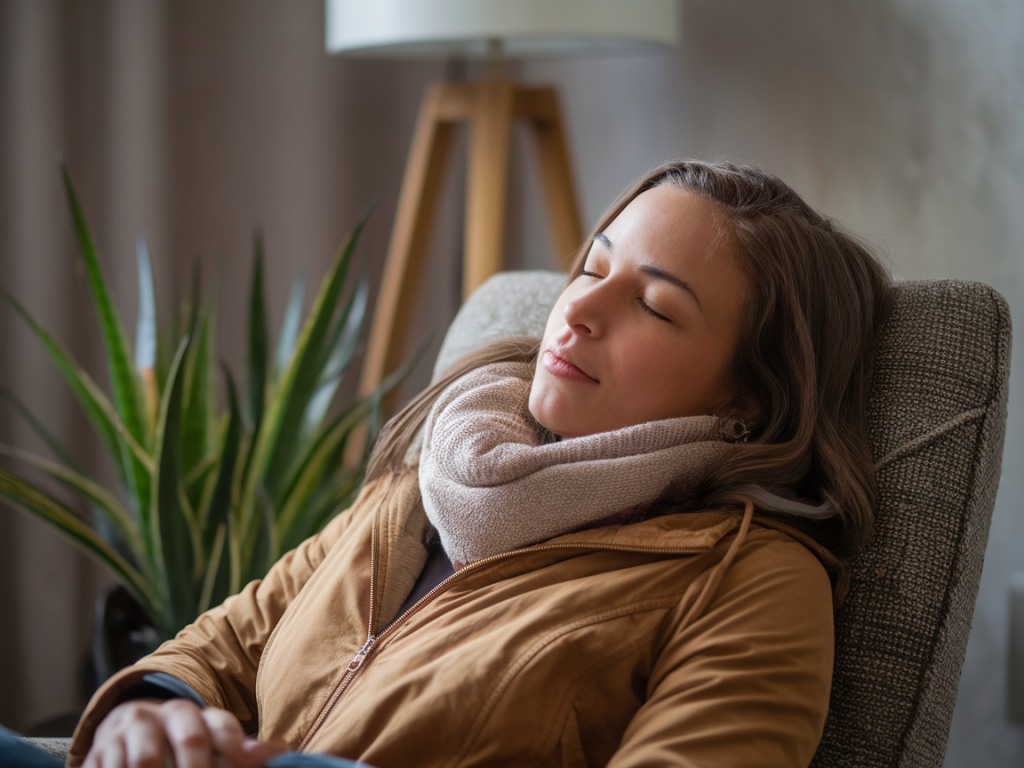
I used to think naps were either lazy indulgences or a guaranteed way to wreck my night’s sleep. Over time, I learned a middle path: a short, intentional nap paired with a simple ritual can rescue a foggy afternoon without stealing your nighttime rest. Below I share how I structure a 10-minute power nap plus a brief ritual that helps me feel recharged, clear-headed, and ready to finish the day well.
Why a 10-minute nap?
Short naps—often 10 to 20 minutes—are sweet spots. They typically keep you out of deep sleep stages, so you avoid the groggy “sleep inertia” that comes from waking in slow-wave sleep. A 10-minute nap is long enough to reduce sleep pressure and boost alertness, mood, and cognitive performance, yet short enough that it rarely interferes with your ability to fall asleep at night.
Science supports this. Brief naps can improve attention, reaction time, and mood. They don’t give you the full restorative benefits of a long nap or extra nighttime sleep, but they act like a quick reset—especially useful on days when schedules, kids, or work leave you behind on sleep.
When to nap so you don’t ruin nighttime sleep
Timing matters more than duration. For most people, the ideal window is mid-afternoon—roughly between 1pm and 3pm—when circadian dip naturally makes alertness drop. I avoid napping later than 3:30pm; if your nights are sensitive, aim for earlier (around 1–2pm).
Other timing tips I follow:
Avoid naps within 6–8 hours of your typical bedtime. If you go to bed at 10pm, don’t nap after 4pm.If you’re chronically short on sleep, naps can help but they’re not a replacement for consistent nighttime sleep. Use naps strategically while you rebuild a better sleep schedule.My 10-minute nap plus ritual — step by step
I keep my nap ritual short and reliable so it’s easy to do during a busy day. Here’s the routine I use and recommend:
Prep (1–2 minutes): I dim bright lights or put on an eye mask, set my phone to Do Not Disturb, and set a gentle alarm for 10 minutes. I find a soft, gradual alarm tone (or a light-based alarm like the Philips Somneo if I’m at home) less jarring than a loud buzzer.Breath-and-relax (1–2 minutes): Before lying down I close my eyes and take 6–8 slow breaths—in through the nose for 4 counts, out for 6. This signals my nervous system to downshift. I consciously relax my jaw, shoulders, and belly.The nap (10 minutes): I lie down or recline in a comfortable chair, use an eye mask or blackout shade, and let myself dim out. Sometimes I use a short guided micro-meditation (I like a simple 10-minute Calm or Headspace session) or just count breaths until I drift.Wake gently (up to 2 minutes): When the alarm goes I don’t leap up. I stretch, wiggle fingers and toes, and take three deeper breaths. If I feel a tiny grogginess, I’ll stand and do a brief mobility flow—neck rolls, shoulders, and a gentle twist.Ritual to reconnect (2–3 minutes): I finish with a quick “reset” ritual: a glass of water and 30 seconds of sunlight (or bright light) at a window. That helps reset circadian cues and increases alertness. If caffeine helps you, a small coffee immediately after waking can amplify the benefits (this is the classic caffeine nap method—drink coffee right before your nap so its effects kick in when you wake).How to avoid sleep inertia
Sleep inertia is the heavy-headed fog you can get when you wake from deeper sleep. To avoid it:
Keep naps short—10 minutes is ideal.Use a gentle alarm and give yourself a minute to reorient instead of springing out of bed.Expose yourself to bright light and hydration immediately after waking.Move your body—light mobility, a short walk, or even a few standing stretches helps clear the cobwebs.What to do if you still feel groggy
If you occasionally wake groggy despite a short nap, try these tweaks I’ve used:
Shift your nap earlier in the day.Reduce the nap to 5–8 minutes and see if that helps.Use a different wake method—some people respond better to a light-based alarm, others to gentle vibration.Check overall sleep debt. If you’re chronically underslept, short naps will help but won’t eliminate day-time grogginess until you get regular nighttime sleep.Ritual variations to suit your needs
My nap ritual is flexible. Here are variations to fit different situations:
Commute-friendly: If you’re on public transport, use noise-cancelling headphones with a 10-minute guided micro-meditation and an eye mask. Set an alarm that vibrates (phone in your pocket).Office-friendly: Recline in your chair, use a scarf as an eye cover, set Do Not Disturb, and do a 10-minute breath-and-relax session.High-pressure day: Add a caffeine nap: small latte or espresso immediately before lying down—caffeine kicks in after ~20 minutes, so in a 10–20 minute nap it helps when you wake.Common questions people ask
Will a nap make me lazy? Not when it’s short and intentional. Think of it as a strategic energy investment.
Will naps ruin my sleep schedule? Short naps, timed early in the afternoon and limited to 10–20 minutes, usually won’t. Long late naps are the real risk. If you notice trouble falling asleep at night after napping, move the nap earlier or shorten it.
Is caffeine with a nap safe? For most people, yes in moderation. Avoid caffeine close to bedtime—if you’re sensitive, skip the caffeine nap. Also avoid combining naps with large amounts of caffeine late in the day.
Tools I find helpful
Over the years I’ve tried a few tools that make this ritual easier:
Eye masks — a simple silk mask works wonders.White-noise or nature sounds — apps like Calm, Headspace, or a small white noise machine.Gentle wake alarm — the Philips Somneo or subtle vibration alarms for commuters.Hydration bottle — a small glass or bottle by the bed or desk so I sip right after waking.Everyone’s rhythm is different. The point isn’t perfection—it’s a tiny, repeatable habit that reliably restores a bit of clarity and calm. Try a 10-minute nap plus the 5-step ritual for a week, note how you feel, and tweak timing or elements to fit your life. Small, sustainable changes are what help you rise stronger and move through your afternoons with more ease.