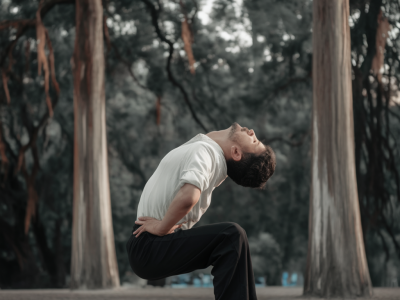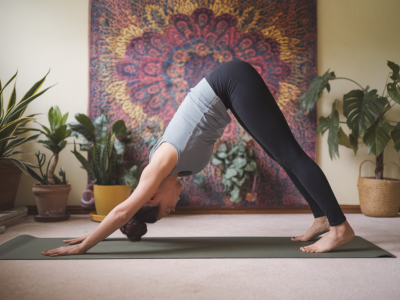
I still remember the first time my hands shook so badly before a presentation that I spilled my water. That moment taught me an important lesson: anxiety before speaking doesn’t mean you’re broken — it means your body is preparing for something important. Over the years I’ve refined a short, practical breathing-and-movement combo that dissolves that jittery energy, steadies the voice, and helps me step on stage (or into a Zoom call) feeling calmer and more confident. Below I share the exact sequence I use and teach, why it works, and how to adapt it for short windows — even five minutes — or for the full 20-minute reset.
Why combine breathing with movement?
Breath is the easiest lever we have to influence the nervous system. Slow, intentional breathing signals safety to the brain and reduces the fight-or-flight response. Movement — gentle, mindful motion — helps discharge excess adrenaline and grounds you in the body. Together they create a powerful feedback loop: breath calms the mind, movement releases physical tension, and the combined effect gives you a steadier voice, clearer thinking, and more natural presence.
Quick science, in plain language
When we get anxious about a presentation, the sympathetic nervous system (fight-or-flight) ramps up: heart rate rises, breathing becomes shallow, muscles tense, and thinking narrows. Slow exhalations activate the parasympathetic nervous system (rest-and-digest), which lowers heart rate and promotes relaxation. Gentle movement like hip rocking or shoulder rolls helps shift blood flow and releases muscular tightness. This combo resets your physiology so your nervous system and mind can cooperate instead of compete.
How long does it take to work?
Different doses work for different people. In general:
My step-by-step breathing + movement combo
Find a quiet corner, sit tall on a chair or stand with feet hip-width apart. Wear comfortable clothes that let your ribs and hips move. You don’t need props, though a small stool or yoga block can help if you prefer to sit.
Total time: ~10–15 minutes for the full sequence. For a 5-minute version, do grounding breath, shoulder circles, and one round of boxed breathing with a vowel on the exhale.
Practical tips for backstage or before a virtual call
Common questions I hear
What if my breath feels stuck in my chest? Try placing one hand on your belly and one on your chest. Aim to move the hand on your belly more than the chest during inhalation. Gentle hip sway can also encourage diaphragmatic motion.
Will humming actually help my voice? Yes. Humming creates gentle vibration that warms the vocal cords and soothes the vagus nerve. It’s a small action with big calming returns.
What if I’m sweating or shaking? Accept the sensation and use movement to discharge it. Gentle pacing or circling your hips transfers that energy into motion rather than letting it build in your hands or jaw.
Quick reference table: routine timings
| Step | Time | Effect |
|---|---|---|
| Grounding breath | 1 min | Calms nervous system |
| Neck & jaw release | 2 min | Relieves vocal tension |
| Shoulder circles | 1 min | Releases upper body tightness |
| Hip sway + belly breath | 3 min | Discharges adrenaline |
| Boxed breathing + vocal tone | 2 min | Regulates breath & steadies voice |
| Power pose + visualization | 1–2 min | Boosts presence |
| Micro-practice for voice | 1–2 min | Warms speech |
How to make this a habit
I suggest practicing the full combo 2–3 times in low-pressure situations: before a short presentation at work, before a team meeting, or even before making an important phone call. The more you practice when the stakes are moderate, the easier it will be to access calm when stakes are high. Keep the routine written on a small index card or saved as a note on your phone labeled “Phnx Reset.”
If you want a guided version, I often use short guided breath tracks from apps like Insight Timer or Calm to anchor timing, and occasionally add a light vocal warm-up from a YouTube speech warm-up coach — pick one you like and keep it bookmarked.
Try this sequence before your next presentation and notice one small change: perhaps your hands rest easier, your words come with more clarity, or you actually enjoy the connection with your audience. Small, repeatable choices like these are how we rise stronger — one steady breath at a time.