I used to live for the ritual of a mid-afternoon caffeine hit and a sugary snack. By 3pm I'd be foggy, cranky, and reaching for whatever was fastest — often something that made the crash worse. Over time I learned that those energy dips aren’t just about willpower; they’re about what and when we eat, how balanced our meals are, and how realistic our portions are during a busy day. Here’s my practical, evidence-informed guide to stopping the 3pm slump — timing, portions, and snack ideas you can actually follow.
Why 3pm energy crashes happen
First, a quick note on why this happens. Energy dips in the afternoon can come from several sources:
Usually it’s a mix of these, not just one villain. The good news: with small, consistent adjustments to timing, portions, and food composition, you can largely prevent that 3pm slump.
Timing: when to eat to avoid crashes
I use a simple rhythm that works for most people: breakfast within 1–2 hours of waking, a balanced lunch about 3–4 hours later, and a small planned snack 2–3 hours after lunch if needed. That spacing keeps blood sugar steady and prevents extreme hunger.
If you exercise in the afternoon, adjust: have a small carb+protein snack 30–60 minutes before to fuel the session and a recovery snack afterward. This prevents dips caused by activity.
Portions: balanced plates without extremes
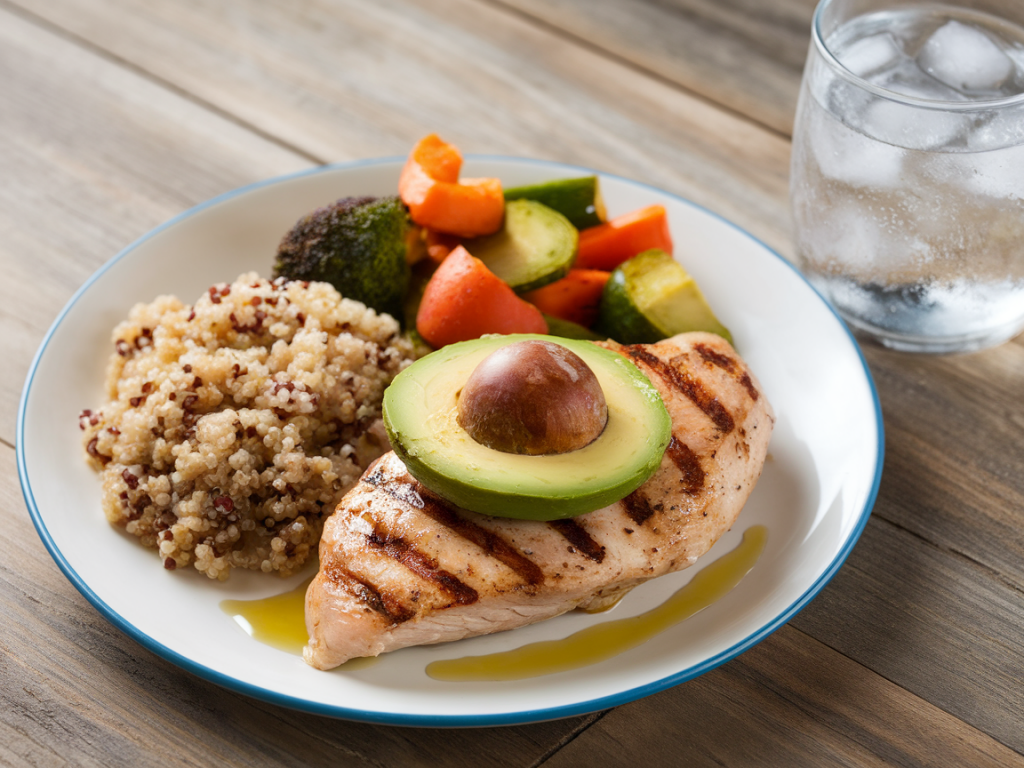
The trick isn't eating less or more — it's balancing your plate so energy is released steadily. My go-to rule: half your plate veggies, a quarter protein, a quarter whole grain or starchy veg, plus a thumb-sized amount of healthy fat.
Portion cues can be rough: for most adults, a meal that fits on a standard plate using this split prevents both overfull grogginess and underfed crashes later.
What to eat at lunch to avoid the crash
Steer away from large, refined-carbohydrate lunches (white pasta, large white rolls, sugary dressings). These can spike blood sugar, then drop it fast. Instead I aim for low-GI carbs, fiber, protein, and some fat. Here are my favourite combos:
These meals are portable, quick, and keep me alert all afternoon.
Smart snacks that stop the slump (and taste good)
A great snack is small, balanced, and satisfying within 150–250 calories. Here are options I rotate through — no complicated prep, mostly quick assembly.
Brands I often buy: Fage or Siggi’s for thick Greek yogurt, Meridian almond butter, and Meridian or Meridian hummus in supermarkets in the UK. But any quality product works — it’s the composition that matters more than a brand.
Hydration, caffeine, and movement hacks
Don’t underestimate hydration. Sometimes that 3pm fatigue is partly dehydration. I keep a 500ml bottle at my desk and aim to finish it by mid-afternoon, topping up as needed.
Quick sample day (timing + portions)
| 7:30am | Greek yogurt (150g) + 40g oats + 1 tbsp chia + berries |
| 12:30pm | Grilled chicken salad with quinoa, mixed greens, roasted veg, olive oil |
| 3:00pm | Apple + 1 tbsp almond butter (or hummus + veg sticks) |
| 6:30pm | Baked salmon, sweet potato, steamed broccoli, drizzle of olive oil |
Small habits that make this stick
Changing when and what you eat is simplest when you prep a few things in advance and keep go-to options available:
These tiny systems remove decision fatigue and make it easier to choose the option that prevents a crash.
If you try one change this week, make it the planned 3pm snack — not one you reach for when you're already starving. Schedule it into your day, and notice how much steadier your energy feels. If you want, share what you try and I’ll suggest tweaks to fit your rhythm and taste.