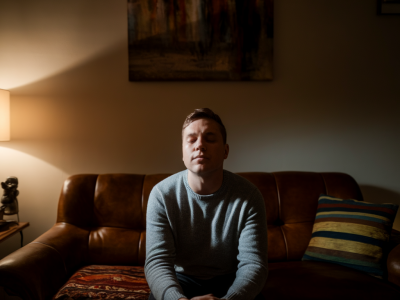
I used to think better sleep meant more pillows, a richer mattress, or a magic tea. Over the years of working with busy people and tinkering with my own routines, I discovered that improving sleep is mostly about small, consistent habits rather than one-off remedies. Below I share five evidence-based tips I use and recommend that don't rely on supplements — just practical, doable changes you can start tonight.
Cultivate a consistent sleep schedule
One of the simplest, most powerful changes I made was to treat my bedtime like an appointment. Our bodies run on circadian rhythms — an internal clock that responds to regular timing cues. Going to bed and waking up at roughly the same time every day helps synchronize that clock, which improves sleep quality and daytime energy.
When I first tried this, I aimed for a 30-minute window: lights out between 10:30–11:00pm and up at 7:00am. After a few weeks, falling asleep felt easier and I woke feeling clearer. The research backs this up: consistent sleep schedules are linked to deeper, more restorative sleep and better mood regulation.
Practical tips I use:
- Choose a realistic wake time — pick a time you can maintain even on weekends (within ~1 hour).
- Work backwards from wake time — decide your ideal sleep duration (7–9 hours) and set a bedtime accordingly.
- Use gentle reminders — set an evening alarm to begin your wind-down routine.
Design a calming pre-sleep routine
The hour before bed is a chance to shift gears. I treat it as sacred "downtime" where activities are intentionally slow and low-stimulation. This helps lower physiological arousal and signals to my brain that sleep is coming. My routine is practical and flexible — it changes if I'm travel-weary or extra-stressed, but the core elements remain consistent.
Elements I include:
- Dim lights about 60–90 minutes before bed — I use low-lumen lamps or install a warm light setting on smart bulbs.
- Limit screens — I aim for no phone or laptop use in the last 30–60 minutes. If I must, I turn on blue-light filters and lower brightness.
- Gentle movement or stretching — 10 minutes of restorative yoga or mobility work helps release tension and quiet the mind.
- Brief journaling or a gratitude list — jotting down two small wins from the day or three things I'm grateful for reduces rumination and eases bedtime worries.
These habits are supported by studies showing that lower evening light exposure and calming rituals support melatonin production and reduce sleep latency (time to fall asleep).
Optimize your bedroom environment
Your sleep environment is a silent partner in better rest. I’ve tweaked my bedroom to be a refuge: cool, dark, and quiet. Even temporary changes — like switching off overhead lights or adding blackout curtains — made a noticeable difference for me.
Key environmental tips I use and recommend:
- Keep it cool — an ideal sleep temperature is commonly cited between 15–19°C (59–66°F). I aim for the lower end in summer or use breathable bedding in winter.
- Block out light — blackout curtains or a simple eye mask helped when I lived in a street-lit area.
- Reduce noise — white noise machines or a small fan can mask intermittent sounds. Apps like myNoise or a simple fan worked for me when I needed it.
- Reserve the bed for sleep and intimacy — avoiding work or long screen sessions in bed helps strengthen the mental association between your bed and sleep.
Mind your evening food and drink choices
What you eat and drink in the hours before bed affects sleep more than many people realize. I avoid heavy meals close to bedtime and practice hydration balance rather than flooding myself with fluids right before lights-out.
Practical guidelines I follow:
- Avoid large meals within 2–3 hours of bed — digestion can disrupt sleep; if I'm hungry, I choose a light snack like a small banana with a smear of almond butter.
- Limit caffeine after mid-afternoon — even if coffee doesn’t seem to affect you, it can shift sleep architecture. I track my caffeine cut-off and adjust on busy days.
- Be mindful with alcohol — alcohol can help you fall asleep but fragments sleep later in the night. I keep drinks minimal and never as a nightly sleep strategy.
- Choose calming evening beverages — decaffeinated herbal teas (chamomile, rooibos) or warm milk alternatives can be comforting without being sedative.
Practice simple relaxation techniques — anywhere, anytime
Stress and a busy mind were my biggest sleep saboteurs. Over time I learned short, evidence-based relaxation tools that reliably lower arousal and help me drift off. These are quick, portable, and don’t require extra equipment.
My go-to techniques:
- 4-7-8 breathing — inhale for 4, hold for 7, exhale for 8. I do 4–6 cycles while lying in bed; it slows my heart rate and calms my thoughts.
- Progressive muscle relaxation — tense and release muscle groups from toes to face. I follow a 10–12 minute routine when I feel physically wired.
- Guided body-scan meditation — I use short recordings (10–20 minutes) from apps like Insight Timer or Calm when I need extra help shifting attention away from worries.
- Box breathing — inhale, hold, exhale, hold — each for a count of four. It’s discreet and effective for managing bedtime anxiety.
Research supports these practices for reducing sleep latency and improving overall sleep quality by decreasing sympathetic nervous system activation (the fight-or-flight response).
If you try one change at a time and give it a couple of weeks, you’ll start to notice improvements. The goal isn’t perfect sleep every night — it’s more nights of deeper, more restorative rest. Pick one tip from above to experiment with this week, tweak as needed, and remember that steady, compassionate habits win higher-quality sleep over time.