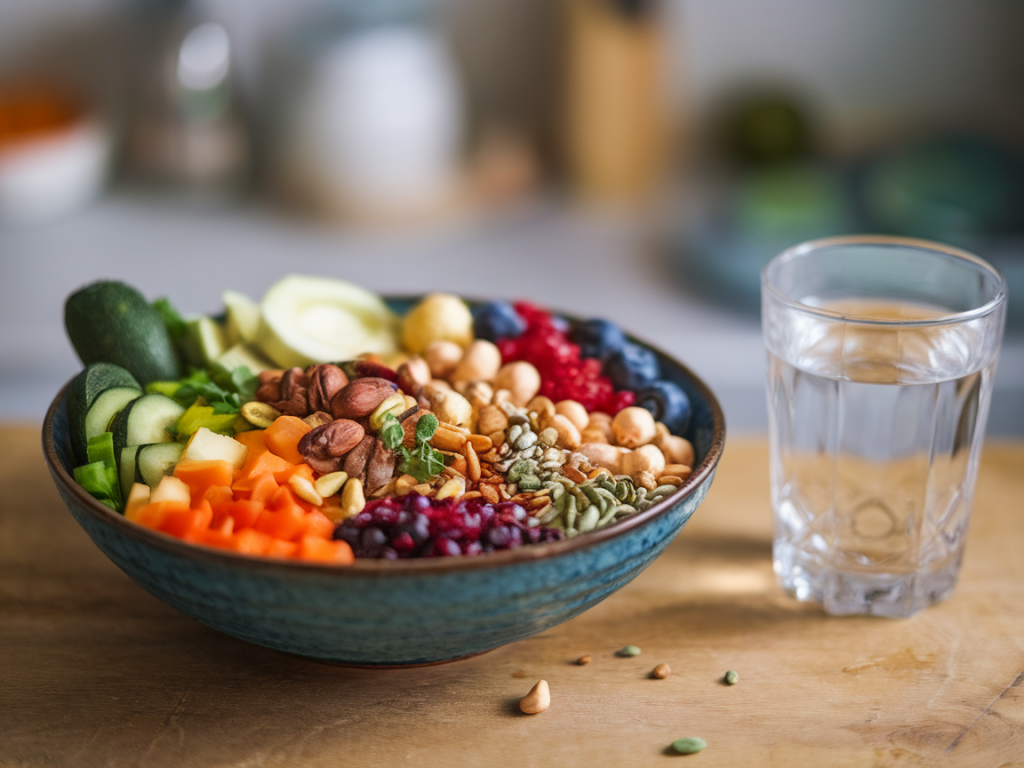
I used to be the person who told myself "just one more snack" every night while scrolling through my phone. Over time those snacks added up — not just in calories, but in restless sleep and the foggy mornings that followed. I finally changed that pattern by building a tiny, consistent ritual: a 7-minute pre-bed food and breath routine that stops late-night grazing, soothes the nervous system, and helps me fall asleep with more ease. It’s simple, practical, and sustainable — exactly the kind of small habit I love at Phnxfitness Co.
Why a 7-minute ritual?
Short rituals work because they’re doable. If I tell myself I’ll prepare a big evening routine, I’ll find reasons not to. Seven minutes feels manageable even on the busiest nights, and it’s long enough to satisfy a physiological need (a light snack) and calm the mind (breathing). Science supports both parts: a small, balanced pre-bed snack can curb blood sugar dips that trigger late-night hunger, while slow breathing activates the parasympathetic nervous system and promotes relaxation.
What this ritual aims to do
- Provide a light, satisfying snack that reduces hunger-driven grazing.
- Bring conscious calm with a short breathing practice to stop mindless eating triggers.
- Create a cue that signals the body and brain that bedtime is approaching.
- Be repeatable and flexible — you can tweak it for allergies, preferences, or time zones.
When to use it
I use this ritual about 20–40 minutes before my intended bedtime. That short gap lets my snack digest a little and gives breathing practice time to settle my heart rate. If you usually eat dinner late, push the ritual closer to when you want to stop eating for the night. If you’re trying to shift an earlier bedtime, start the ritual earlier and slowly move it earlier by 10–15 minutes every few nights.
What to eat in 90–120 seconds (snack ideas)
The food should be light, contain protein and a little healthy fat or carbohydrate, and be about 150–250 calories. It’s not dinner — it’s a bridge that prevents the "I’m starving" reflex that leads to grazing. Here are options I rotate through. Each takes under two minutes to assemble.
- Greek yogurt + berries: 100g plain Greek yogurt with a small handful of berries and a sprinkle of toasted oats or flaxseed.
- Banana + nut butter: Half a banana with 1 tbsp almond or peanut butter.
- Whole-grain toast + cottage cheese: One slice of toast with 2–3 tbsp cottage cheese and cracked pepper or a few sliced tomatoes.
- Warm milk alternative: 200ml warm oat milk with a pinch of cinnamon — comforting and hydrating.
- Handful of nuts + dark chocolate: 10–12 almonds or walnuts with one small square (70%) dark chocolate.
- Boiled egg + cucumber: One hard-boiled egg sliced with cucumber rounds.
These options balance protein, a little fat, and fiber or slow carbs to stabilize blood sugar. I keep ingredients on hand so I’m not tempted to raid the cupboards.
The 5-minute breath practice (do this after your snack)
Once my snack is ready, I sit down in a quiet space — my bed or a comfy chair — and follow this simple breathing sequence. It’s based on diaphragmatic breathing and a mild elongation of the exhale to increase relaxation.
- Minute 0–1: Grounding. Sit comfortably, feet on the floor or lying on your back. Place one hand on your belly and one on your chest. Breathe naturally and notice the sensations.
- Minute 1–2: Diaphragmatic breaths. Inhale slowly through the nose for 4 counts, feeling your belly rise. Exhale through the nose for 4 counts, feeling the belly fall.
- Minute 2–4: Lengthen the exhale. Inhale for 4 counts, exhale for 6 counts. If that feels hard, use 3 in / 5 out. Focus on making the exhale smooth and soft.
- Minute 4–5: Softening and letting go. Return to natural breathing and mentally scan your body from head to toe, releasing tension where you notice it.
If your mind wanders, that’s fine — gently bring attention back to the breath. You can use a free timer app or set a silent 5-minute timer. I sometimes use the Insight Timer or the built-in iPhone timer.)
How to make the ritual stick
- Create a visible cue: Keep a small tray by the kettle or a basket of snack options on the counter. When I see the tray, it reminds me to do the ritual.
- Pair with an existing habit: I do the ritual after brushing my teeth or after dimming the main lights. Linking habits helps them become automatic.
- Use low-effort prep: I pre-portion nuts, have yogurt tubs, and keep bananas visible. This removes decision fatigue.
- Forgive slip-ups: Some nights I still graze. I notice what happened — often stress or boredom — and try again the next night without judgment.
Why breathing is essential alongside food
Late-night grazing is rarely just hunger. It’s often activated by stress, boredom, or habit. The breath practice interrupts the automatic chain: sight of snacks → impulse → eating. Slow breathing reduces sympathetic activity (fight-or-flight) and increases vagal tone, which helps digestion and a calmer mindset. Together, the small snack reduces physiological hunger cues while the breath practice calms the emotional drivers.
Common questions and troubleshooting
- What if I’m still hungry after the snack? Choose a slightly larger snack within the 200–300 calorie range, or add a small cup of warm herbal tea afterwards. Also check if dinner was low in protein — adjust dinner composition rather than making the ritual a replacement for balanced meals.
- Will a snack disrupt my sleep? If you choose a small, protein-rich snack and avoid high-sugar treats, it usually won’t. Avoid large meals, caffeine, and heavy alcohol within an hour of bed.
- Can I do the breath practice without a snack? Yes. Some nights I only need the breathing sequence to stop mindless eating impulses.
- What if I wake up hungry later? Try a more filling bedtime option (e.g., yogurt with oats). If it becomes regular, evaluate overall daily calories and meal timing — persistent overnight hunger can mean you need more during the day.
Personal tips I swear by
- I keep a small ceramic bowl on the nightstand for dim lighting and to avoid phone use while snacking.
- Chamomile or rooibos tea after the snack helps me associate the ritual with sleepiness.
- When travel disrupts my routine, I still follow the 7-minute pattern — portable snacks (nuts, single-serving Greek yogurt) and a 5-minute breath on the bed work anywhere.
- On stressful nights I extend the breath practice by another 3–5 minutes or add gentle progressive muscle relaxation.
This ritual is flexible. It’s not about perfection but about building a small, repeatable habit that nudges you away from late-night grazing and toward calmer sleep. Try it for two weeks and notice the difference in your nighttime impulses and morning energy. If something doesn’t fit, tweak it — that’s the Phnxfitness Co approach: small changes, steady progress, and kindness toward yourself.