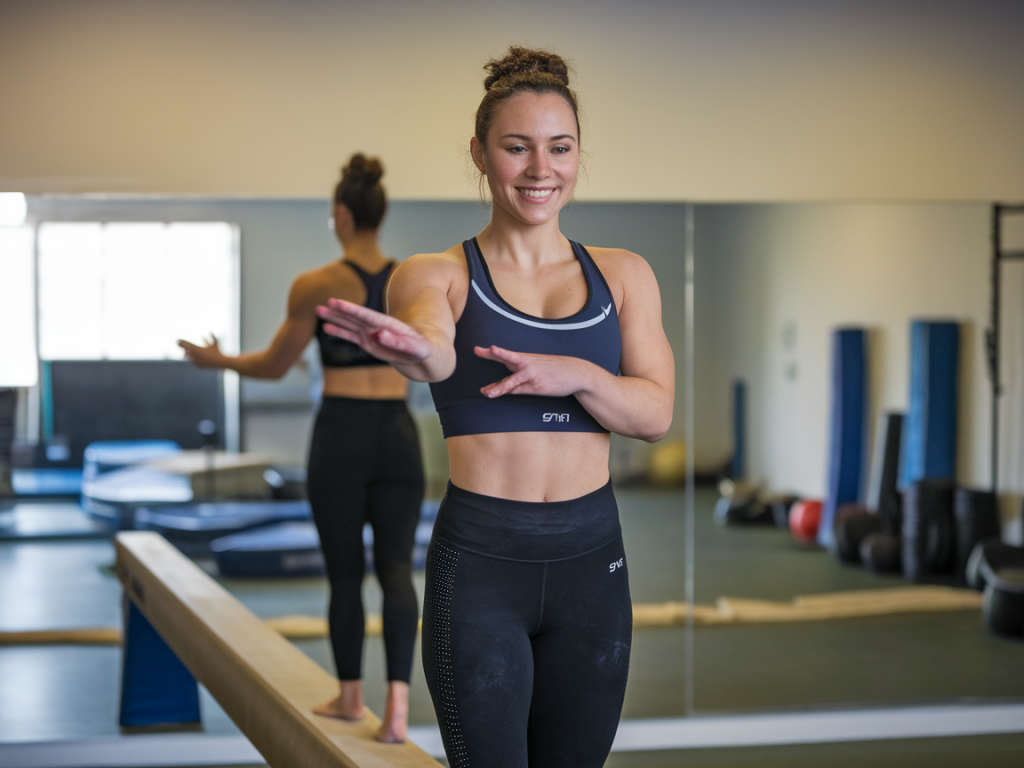
I used to obsess over the number on the scale. I’d step on it after a rough night’s sleep or a salty dinner and let that tiny digital number dictate my mood for the day. Over time I realized the scale was only one narrow metric — and often an unhelpful one. I started tracking different signals: the way my clothes felt, how many flights of stairs I could take without huffing, whether my sleep actually restored me. Those small, consistent signs showed me real improvements in fitness and vitality long before the scale changed.
Why the scale isn’t the whole story
The scale measures total mass, not strength, endurance, or energy. Muscle weighs more than fat by volume, hormonal cycles affect water retention, and clothes or a heavy lunch can swing the number. If your goal is to feel stronger, more energetic, or less stressed, the scale can be noisy and demotivating. I shifted to tracking performance and daily wellbeing — and my progress felt more meaningful and sustainable.
Simple daily signs to watch
These are the practical, everyday indicators I check in on. You don’t need fancy tools — just a bit of attention and consistent notes.
Energy levels: Do you get through the afternoon slump more easily? I jot down energy on a 1–5 scale mid-morning and mid-afternoon. Over weeks I can see if my baseline energy is rising.Sleep quality: Falling asleep faster and waking up feeling refreshed are huge wins. I track how many nights I sleep through without waking and whether I wake up ready to move.Breath and stamina: Can you climb stairs without pausing? I time myself on a single flight or note whether I’m winded after walking briskly for 10–15 minutes.Strength gains: Add one extra rep or increase weight slightly on a key move (like squats or push-ups). When you can do more with the same effort, that’s progress.Recovery speed: Sore for two days after a workout at first? Now it’s 24 hours or less. Faster recovery ≈ improved conditioning and resilience.Resting heart rate & recovery: A lower resting heart rate and quicker heart-rate recovery after exercise are signs your cardiovascular system is improving. You can check this with most smartwatches or cheap heart-rate monitors.Posture and balance: Standing taller, fewer back twinges, and improved balance (e.g., standing on one leg longer) show stronger stabilizer muscles and body awareness.Clothing fit: Noticing looser waistbands, easier buttoning of shirts, or less tightness around the chest is a simple, no-tech sign.Appetite & cravings: If your cravings calm down and meals keep you satisfied longer, your metabolic and hormonal signals are likely balancing out.Mood and stress levels: Exercise and routine can stabilize mood — if you’re less reactive and more even-keeled, that’s positive progress too.How I track these signs (without overcomplicating)
I use a simple sheet and three quick weekly checks. You don’t need perfection — I aim for consistency. Here’s a method you can copy:
Keep a mini-journal (notebook or an app like Day One). Each evening, note two quick things: "Energy today (1–5)" and "Workout: what & how it felt."Once a week, do a short movement test: timed 1-mile walk, 2-minute plank, max comfortable push-ups, or count how many flights of stairs to the third floor without stopping. Record results in the same notebook.Every two weeks, try on one pair of clothing that’s been a reliable comparison — jeans or a favourite top — and note fit changes.Tools that can help (and what I actually use)
You can do all this with pen and paper, but a few tools make it easier to spot trends:
Fitness tracker: I use an Apple Watch/Fitbit-like device to track resting heart rate and activity minutes. Even inexpensive trackers give reliable HR and steps data.A simple heart-rate monitor: For more accurate HR recovery checks during and after workouts.A tape measure: Waist, hips, chest, thighs — measurements every 2–4 weeks can show body composition changes even when the scale doesn’t.A notebook or habit app: I prefer a physical journal because writing feels more deliberate, but an app like Streaks or Loop helps if you like notifications.Small performance tests I use
These tests are short, repeatable, and meaningful. Pick 2–3 to try weekly or biweekly.
Timed brisk walk or jog: Record pace for 1 mile or 15 minutes. Getting faster at the same perceived effort is a win.Bodyweight strength test: Max push-ups in good form, or how long you can hold a plank. Add reps or time gradually.Stair test: Walk up two flights briskly and note breathing and effort. Do it again after a month to compare.Balance test: Single-leg stand with eyes open — time how long you can maintain balance. Improvement reflects neuromuscular gains.Sample weekly tracking table
| Metric | Mon | Wed | Fri |
| Energy (1–5) | 3 | 4 | 4 |
| Workout (type & feel) | 20-min strength — felt strong | Restorative yoga — relaxed | 20-min walk — easy pace |
| Sleep (1–5) | 3 | 4 | 4 |
What to avoid when tracking
Tracking can become another form of perfectionism. I try to avoid these traps:
Over-monitoring: Checking HR every hour or stepping on the scale daily can cause anxiety. Pick meaningful, spaced check-ins.Comparing to others: Your progress is personal. Focus on how your body feels and functions.Expecting linear progress: Some weeks will be flat or even backward. Life stress, sleep, and menstrual cycles affect results. Look at trends over 4–8 weeks rather than daily blips.How to interpret small wins
Small, consistent improvements compound. A slightly faster walk this week, two more push-ups the next, and better sleep over a month add up to renewed energy and resilience. Celebrate the tiny wins — they’re the bricks of long-term change.
If you want, I can share a printable weekly tracker inspired by Phnxfitness Co principles or a short 20-minute strength mini-test routine to measure in four weeks. Drop a note and I’ll post it on https://www.phnxfitness.co.uk so you can download and use it straight away.