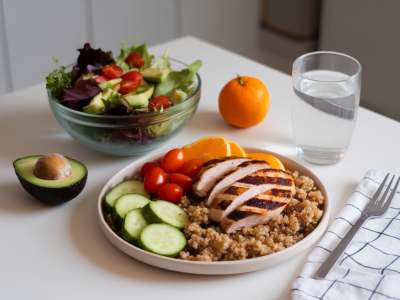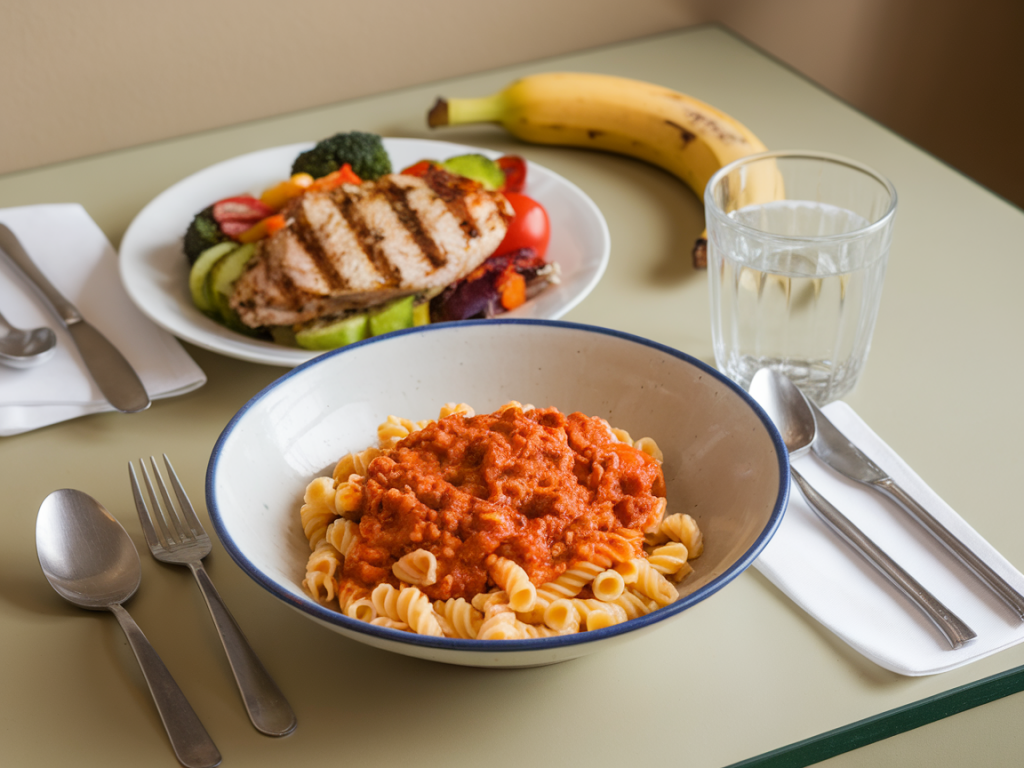
I’ve learned the hard way that what you eat and when you eat after a long run can make the difference between feeling wiped out for the rest of the day and bouncing back with energy. After many experiments and tweaks, I now follow simple rules that restore glycogen, rebuild muscle, reduce inflammation, and help me sleep better that night. Below I share the exact portions, timing, and easy meals I use—practical, no-fuss options you can make after a 10K, half marathon, or longer run.
Why timing and portions matter
Right after a long run your muscles are hungry for glycogen (carbs) and amino acids (protein). There’s a window—roughly the first 30–90 minutes—when your muscles are especially responsive to refueling. That doesn’t mean you must eat immediately if it’s not possible, but prioritising a snack or small meal in that window speeds recovery and reduces soreness.
Portion sizes depend on the run length and your body weight. Below I give practical portions that work for most people; use them as a starting point and tweak for hunger and results.
Simple rules I follow
- Refuel within 30–60 minutes with a balanced snack (carbs + protein + some electrolytes).
- Follow with a proper meal within 2–4 hours that includes carbs, protein, healthy fats, and vegetables.
- Hydrate early—water first, then add electrolytes if you sweated a lot.
- Keep portions pragmatic—you’re not eating like it’s a rest day; you’re repairing for the next session.
- Prioritise whole foods where possible; use simple products (Greek yogurt, whole grain bread, canned tuna) to speed things up.
Exact portion guide (quick reference)
These amounts are for an average adult runner. If you’re lighter/heavier, adjust up or down about 10–20%.
| Run length | Immediate snack (30–60 min) | Recovery meal (2–4 hours) |
|---|---|---|
| 30–60 minutes | 200–300 kcal: 30–40g carbs + 10–15g protein (e.g., banana + 150g Greek yogurt) | 400–600 kcal: 45–60g carbs, 20–30g protein, 10–15g fat |
| 60–90 minutes | 250–350 kcal: 40–50g carbs + 15–20g protein (e.g., sandwich or smoothie) | 500–700 kcal: 60–80g carbs, 25–35g protein, 15–20g fat |
| 90+ minutes (long run) | 300–450 kcal: 50–70g carbs + 20–30g protein & some electrolytes | 600–900 kcal: 80–120g carbs, 30–40g protein, 20–30g fat |
What to drink
Start with water. If you had a salty sweat or the run exceeded 60–90 minutes, add electrolytes. I like Suplilyte or Tailwind for something simple and dissolving; if you prefer whole-food options, a salted banana + water also helps. For the immediate snack, a protein + carb drink (e.g., milk or a ready-made recovery shake like Huel Recover) is fast and effective.
Quick post-run snacks I actually eat
These are real options I reach for—easy to prepare, travel-friendly, and balanced.
- Banana + 150g Greek yogurt + drizzle of honey — about 35–45g carbs, 15–20g protein. Quick, soothing, and calming for the gut.
- Peanut butter toast — 2 slices wholegrain bread, 1–2 tbsp peanut butter, a thin banana or jam. Good combo of carbs and fats with some protein.
- Smoothie: 1 cup milk (or oat milk), 1 banana, 30g protein powder, 30–40g oats — easy to sip on the go and tailorable.
- Cottage cheese + pineapple + handful of granola — protein plus quick carbs; I like this when I’m craving something sweet.
- Rice cakes + smashed avocado + turkey slices — light, portable, and offers carbs, fat, and protein.
Simple recovery meals (2–4 hours after)
These are the meals I rotate between. They’re quick, use few ingredients, and follow the carb:protein:fat guidance above.
- Salmon, sweet potato, and greens — 120–150g salmon fillet, 200–250g baked sweet potato, a big handful of spinach or broccoli. Salmon gives omega-3s to help inflammation.
- Chicken, brown rice, and mixed veg — 120–150g grilled chicken, 1–1.5 cups cooked brown rice, mixed peppers and courgette tossed in olive oil.
- Pasta with tuna and tomato sauce — 80–100g dry wholegrain pasta, 1 tin tuna in water, cherry tomatoes, spinach. Finish with a splash of olive oil and lemon.
- Bean chili and baked potato — 1 large potato, 1 cup mixed bean chili (homemade or store-bought like Biona), top with Greek yogurt for protein.
- Tofu stir-fry with noodles — 150g firm tofu, a pack of rice noodles, lots of veg, tamari, and sesame oil.
How I build the plate (easy template)
Think in thirds:
- 1/3 carbs — whole grains, starchy veg, pasta, rice, potatoes.
- 1/3 protein — fish, chicken, tofu, legumes, dairy.
- 1/3 veg + a small portion of healthy fat — salad, steamed veg, olive oil, nuts, avocado.
This visual approach keeps it straightforward—if you’re prepping leftovers, measure roughly with your hand (e.g., a fist of carbs, palm of protein, handful of veg).
Nighttime recovery and sleep
If your run was late, choose a lighter dinner but keep protein. A heavy meal can disrupt sleep which undermines recovery. I often do:
- Warm bowl: miso soup + tofu + brown rice + greens
- Omelette: 2–3 eggs with spinach and mushrooms, slice of wholegrain toast
- Yogurt bowl: 200g Greek yogurt, berries, spoon of nut butter, sprinkle of seeds
Also consider magnesium-rich foods (pumpkin seeds, leafy greens) to help muscle relaxation and sleep quality.
Practical tips I swear by
- Pack a snack in your running bag—rice cakes, a small tub of yogurt, or an electrolyte sachet can save recovery when you’re out.
- Prep simple staples like cooked rice, roasted sweet potatoes, canned beans, and grilled chicken—assembly meals are the fastest.
- Listen to hunger. If you feel nauseous immediately after, start with a liquid snack and move to solids in an hour.
- Use protein convenience products wisely—whey or plant powders, single-serve Greek yogurts, and ready-made recovery drinks are helpful on busy days.
- Be consistent. Recovery is cumulative: small, regular choices help you feel stronger over time.
If you want, I can share a printable cheat sheet with snack and meal combos based on your typical run distance, or a 2-day meal plan tailored to vegetarian, pescatarian, or omnivore preferences. Tell me your usual run length and dietary preferences and I’ll make it practical and simple to follow.