Sleep & Recovery

What to eat after an evening workout to optimize sleep quality and muscle recovery without heavy meals

What to eat after an evening workout to optimize sleep quality and muscle recovery without heavy meals

After an evening sweat session, I want two things from my next bite: to help my muscles recover and to set myself up for a good night’s sleep. Over the years I’ve learned that you don’t need a heavy plate to achieve both — you just need the right balance of protein, a little carbohydrate, sleep-supporting nutrients, and sensible timing. Below I share what I eat (and why), simple recipes I reach for, and practical rules of thumb that fit real evenings when time and appetite vary.

Why post-workout food matters for sleep and recovery

Working out in the evening is great for stress relief and strength gains, but putting the wrong foods on your plate can leave you bloated, wired, or unable to fall into deep sleep. After exercise your muscles need amino acids to repair and rebuild, and your nervous system benefits from steady blood sugar and calming nutrients. That’s why a thoughtful post-evening-workout meal can both speed recovery and improve sleep quality.

Core components I aim for

When I plan my post-workout eating, I focus on three simple components:

  • Protein: 15–25g to kickstart muscle repair. I favour easily digestible sources like Greek yogurt, cottage cheese, lean poultry, or a whey/casein blend in a smoothie.
  • Low-to-moderate carbs: 20–40g, depending on workout intensity. Carbs help restore glycogen and increase the brain’s uptake of tryptophan — a precursor to sleep-friendly serotonin and melatonin.
  • Sleep-supporting nutrients: magnesium, tryptophan, and a small amount of healthy fat if tolerated. Foods like bananas, oats, tart cherry juice, pumpkin seeds, and leafy greens help here.
  • Timing: when to eat after an evening workout

    I aim to eat within 30–60 minutes after finishing a workout if it’s feasible. This window helps muscle protein synthesis and glycogen replenishment. If I can’t manage a full meal, a small protein-rich snack (yogurt, a protein shake) keeps recovery moving until a more substantial dinner two hours later. Avoid going to bed ravenous — low-level hunger can disrupt sleep quality.

    What I avoid in the evening

  • Heavy, greasy meals: High-fat, fried foods slow digestion and can cause discomfort or acid reflux at night.
  • Large portions: Big meals just before bed increase metabolic load and reduce sleep quality.
  • Caffeine and stimulants: Obvious but worth repeating — pre-workout caffeine late in the day may affect sleep, as can chocolate or certain supplements.
  • Alcohol: It may make you sleepy initially but fragments sleep and impairs recovery.
  • Practical snack and meal ideas I use

    Here are real options I rotate through depending on how hungry I am and how late it is.

    Level of hunger Example Why it works
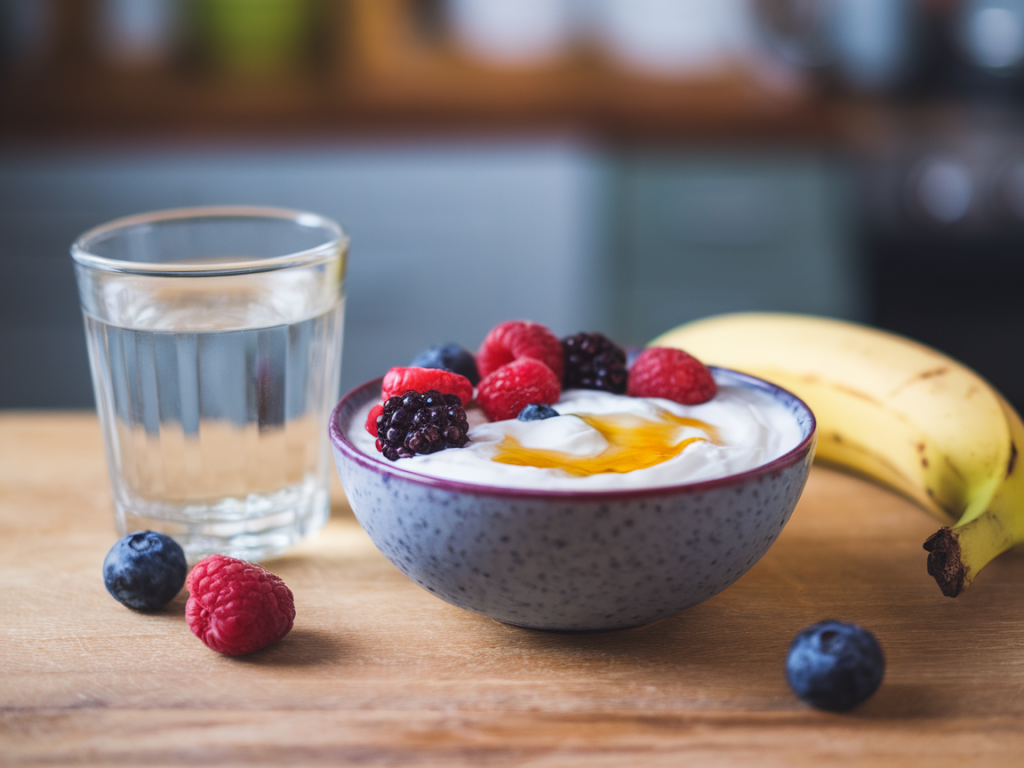
    Light (small snack) 150g Greek yogurt + ½ banana + 1 tbsp honey or berries ~15–20g protein, carbs for glycogen and tryptophan uptake, easy to digest
    Moderate Cottage cheese (150g) + pear + 1 tbsp pumpkin seeds Slow-digesting casein protein, magnesium & healthy fats from seeds
    Substantial (earlier evening) Grilled turkey or salmon, small sweet potato, side spinach salad Lean protein, complex carbs, iron & magnesium for recovery
    Quick liquid option Protein smoothie: 1 scoop whey or casein, 1 banana, 200ml milk or oat milk, 1 tsp peanut butter Fast to make, digestible, mix of protein + carbs + a little fat

    Simple recipes I actually make

    These are my go-to, low-fuss combos that leave me neither stuffed nor hungry:

  • Warm oat bowl with protein: 35g oats cooked in water or milk, stirred with 150g Greek yogurt or a scoop of protein powder after cooking, topped with sliced banana and a sprinkle of cinnamon. Oats provide complex carbs and melatonin-supporting compounds; yogurt/protein powder provides the amino acids.
  • Tart cherry + kefir smoothie: 200ml kefir or yoghurt, 100ml tart cherry juice (you can use a concentrated brand like Montmorency tart cherry juice diluted), ½ cup frozen berries, 1 scoop casein or whey. Tart cherries have been linked to improved sleep duration and quality; kefir adds protein and probiotics.
  • Easy salmon & greens: Baked salmon fillet (~120–150g) with a squeeze of lemon, a small roasted sweet potato, and sautéed spinach with garlic. Salmon supplies omega-3s and vitamin D — both helpful for recovery — and spinach adds magnesium.
  • Supplements and small hacks I use

  • Casein protein at night: If I know I won’t eat for several hours, a casein shake helps provide slow-release amino acids while I sleep.
  • Tart cherry concentrate: A small glass (50–100ml diluted) can be a practical sleep aid after evening workouts.
  • Magnesium glycinate: On nights when stress or cramps are a problem, 200–300 mg of magnesium glycinate taken 30–60 minutes before bed can help—talk to your healthcare provider first.
  • Electrolytes: For long workouts, I replenish sodium and potassium with a light electrolyte drink; this prevents nocturnal cramps and helps recovery.
  • How to judge portion size and macronutrient ratios

    If you’re unsure how much to eat, I use a rough, practical guide:

  • If your session was light to moderate (30–45 minutes, brisk cardio or light strength), aim for 15–20g protein + 20–30g carbs.
  • If it was intense or long (>60 minutes or heavy lifting), aim for 20–30g protein + 30–50g carbs.
  • Keep fats lower if the meal is close to bedtime; higher fat slows digestion and may affect sleep onset.

    What to eat depending on your goals

    If you’re trying to build muscle, prioritize total daily protein and include a solid post-workout protein source — a 20–30g protein snack after an evening session is non-negotiable in my book. If your goal is weight loss, keep the post-workout meal portion-controlled but include protein to protect muscle and carbs to support sleep. If sleep quality is your primary focus, opt for foods that promote relaxation (tart cherry, magnesium-rich seeds, warm milk or kefir) and avoid late heavy meals.

    Final practical checklist I follow

  • Eat within 30–60 minutes post-workout when possible.
  • Include 15–30g protein, and 20–40g carbs depending on workout intensity.
  • Favor foods with magnesium and tryptophan for sleep support.
  • Avoid heavy, fatty, or highly spiced meals close to bedtime.
  • Consider a casein shake or small protein snack if you’ll go long without eating.
  • Skip alcohol and late caffeine, and aim to hydrate without drinking lots of liquid right before bed.
  • Small, consistent choices after evening workouts have helped me sleep deeper and wake up less sore. The combinations above are flexible — try what fits your appetite and schedule, and tweak ingredients until you find the mix that helps you recover and sleep well. If a particular recipe or tweak works for you, I’d love to hear about it on Phnxfitness Co — sharing what helps is how we all get stronger.

    You should also check the following news:

    How to build a five-minute midmorning reset that stops 3pm crashes and boosts focus for the afternoon
    Mindful Living

    How to build a five-minute midmorning reset that stops 3pm crashes and boosts focus for the afternoon

    By midmorning I usually feel two things: the momentum of the morning is there, but my focus often...

    Apr 23 Read more...