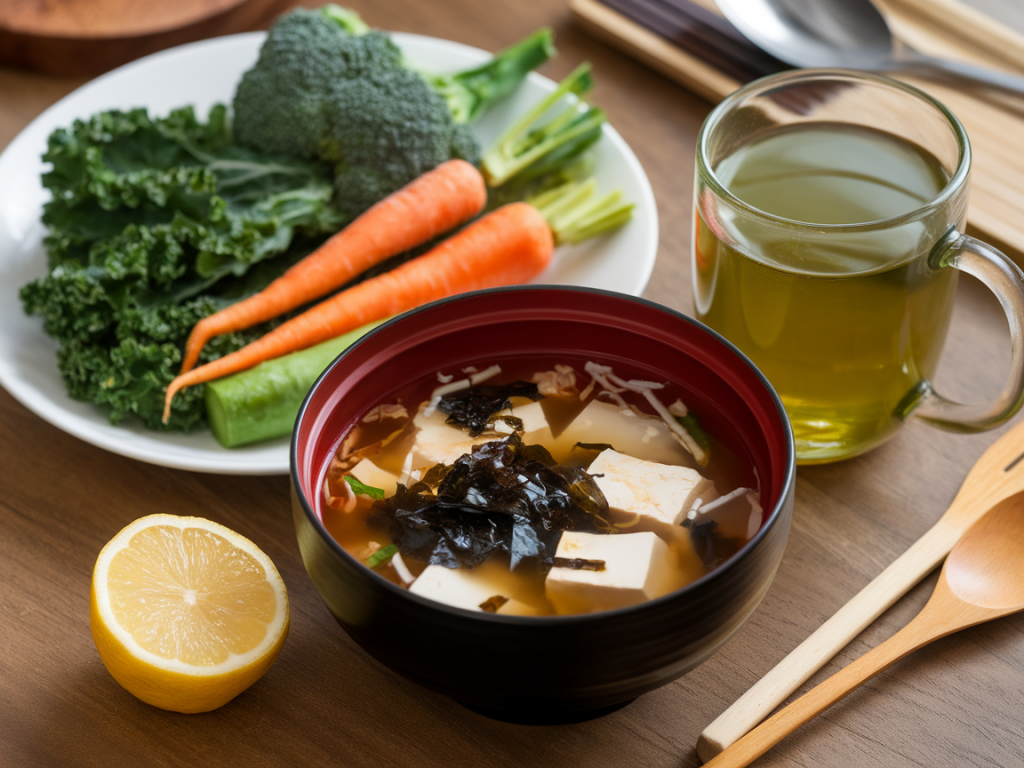
When I first started exploring remèdes naturels pour soulager la rate, I was drawn to the quiet wisdom of old family remedies—simple, kitchen-based approaches that felt nurturing without being overwhelming. Over the years I’ve combined that grandmotherly knowledge with modern, evidence-informed practices to build gentle routines that support spleen health and digestive balance. Below I share what I do when I want to soothe my spleen, why these methods make sense, and practical steps you can try at home.
Early on, if you want to read a compact guide anchored in traditional approaches, I recommend this resource on remèdes naturels pour soulager la rate — it’s a helpful complement to the ideas I describe below.
Understanding the spleen and why I care
I always start by reminding myself what the spleen does: it filters blood, supports immune function, and helps manage fluids and red blood cells. In many traditional systems (and in everyday language), “spleen heaviness” or sluggish digestion is linked to fatigue, bloating, and low appetite. While serious spleen problems need medical care, there are many small, natural measures I use to support comfortable, everyday spleen function.
Signs that I focus on before using home remedies
I only turn to gentle, natural remedies when symptoms are mild and familiar. I look for:
If any pain is sharp, sudden, severe, or accompanied by fever, I stop home remedies and recommend seeing a physician immediately.
Grandmother remedies I actually use
These are simple, kitchen-friendly approaches I’ve tested and adapted. They’re focused on supporting digestion, circulation, and gentle detoxification.
Herbs and preparations I recommend — a quick reference
| Herb | Preparation | Suggested use |
|---|---|---|
| Dandelion (Taraxacum) | Tea from leaves or roasted root | 1–2 cups/day |
| Burdock (Arctium lappa) | Simmered as infusion or in soups | 1 cup/day |
| Milk thistle (Silybum marianum) | Standardized extract or tea | Follow product dosing; consult pharmacist |
Food and dietary habits I rely on
Diet is one of the most practical places to support the spleen. I focus on:
Movement and lifestyle practices I use
Movement can be medicine. I try to keep activity gentle and consistent:
Precautions I always follow
Even natural remedies have limits. I avoid self-treatment when there are red flags like high fever, severe pain, sudden enlargement of the abdomen, or unexplained weight loss. I also check interactions if I’m on medication—particularly blood thinners—before using herbs like dandelion or milk thistle. When in doubt, I contact a healthcare professional.
When to consult a professional
I treat these home practices as supportive, not curative. If symptoms persist beyond a few weeks, worsen, or include significant pain or signs of infection, I seek medical assessment. Imaging or blood tests may be necessary to exclude serious conditions.
Small rituals I keep for long-term support
For me, the most sustainable benefits come from small, repeatable rituals: a morning cup of warm ginger, a short post-lunch walk, and an evening massage with mindful breathing. These practices feel like acts of care rather than medical chores, and they blend the gentle wisdom of grandmother remedies with sensible lifestyle choices.
If you try any of these ideas, start slowly, notice how your body responds, and adjust. I find that listening and small, steady habits usually win over dramatic fixes. If you want product suggestions, brands like Traditional Medicinals or Pukka offer accessible herbal teas I trust for quality. Above all, be kind to yourself as you explore what genuinely helps your balance and wellbeing.