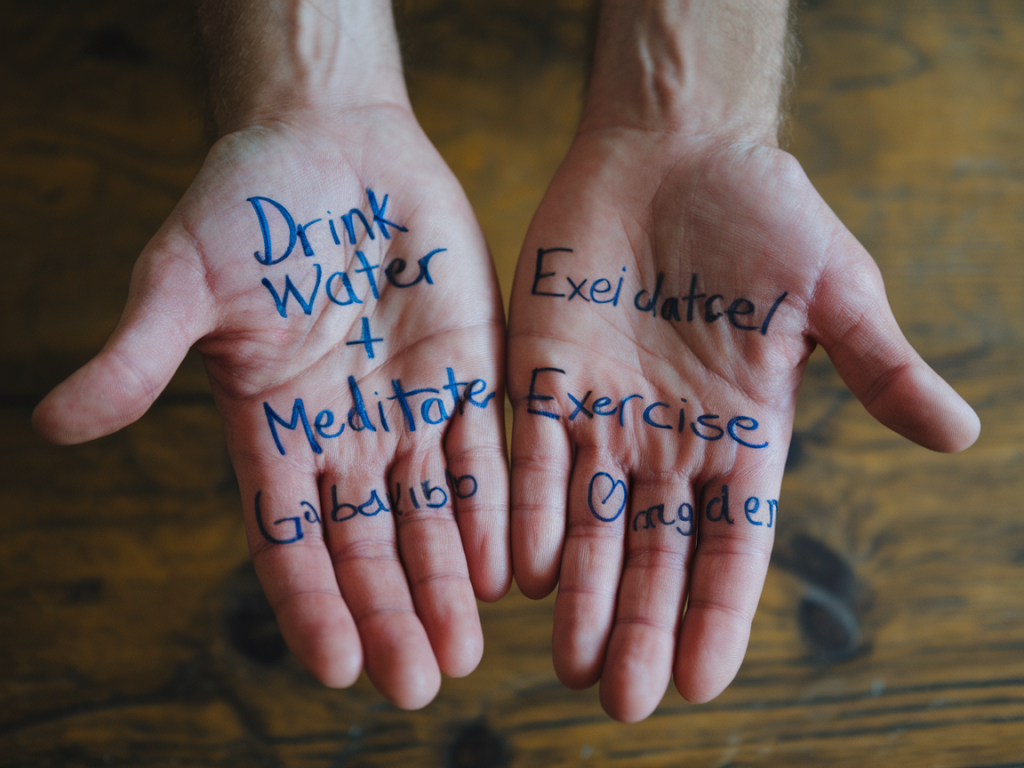
I remember the moment I stopped chasing overnight transformations and started stacking tiny, manageable habits. It felt less glamorous than dramatic before-and-after photos, but it was steadier. And after months of testing, tweaking, and listening to readers at Phnxfitness Co, I’ve seen how small layers add up into routines that actually stick.
On Phnxfitness Co we’re inspired by the phoenix — not because we want fast, flashy reinventions, but because renewal takes patience and steady nourishment. Here’s how I layer small habits to build lasting routine change, with practical examples you can try this week.
Why tiny habits beat big swings
Big changes often collide with real life: work deadlines, tired evenings, family logistics. Small habits sidestep that friction. When a change takes less than five minutes and feels easy to do, your brain rewards you with a sense of completion, which promotes repetition.
I learned this the hard way after trying to overhaul my mornings with a lengthy routine I loved in theory but couldn’t maintain. I regained momentum by breaking the routine into tiny layers: one minute of breathwork, two minutes of light movement, and a single nourishing breakfast swap. The layers felt doable and slowly became a coherent morning flow.
How I choose which habits to layer
My criteria are simple and practical. When I choose a habit, I ask:
For example, if I want to improve sleep, I don’t immediately overhaul bedtime. I start with a 1-minute screen-off rule 30 minutes before bed. Once that’s consistent, I layer in a 3-minute breathing practice, then a low-light tea or a magnesium spray. Each layer supports the previous one without overwhelming my schedule.
Practical layering plan: a weekly example
Here’s a simple way I might build a 4-week routine focused on energy, movement, and better sleep. Each week adds one small habit that links to the others.
| Week | Morning | Afternoon | Evening |
|---|---|---|---|
| 1 | 1-minute breathwork | Walk 5 minutes after lunch | Screen-off 30 min before bed |
| 2 | + 2-minute mobility routine | + Drink a glass of water before snack | + 3-minute guided breathing |
| 3 | + Protein-rich breakfast swap | + 10-minute strength session (mini) | + A warm, calming beverage |
| 4 | + 2-minute gratitude or intention | + Stretching between meetings | + Set next-day priorities |
Each addition is small, and you can skip layers that don’t fit. The magic is in linking — breathwork primes focus for mobility; mobility makes a mini strength session more accessible; strength and water boost energy, which helps evening routines feel natural.
How to anchor a new habit to an existing routine
Anchoring is one of my favorite tactics. Take something you already do without thinking — making coffee, brushing teeth, logging onto your computer — and connect your new habit to that action.
These anchors reduce decision friction. The cue is already present; the new habit simply piggybacks on it.
What to do when motivation dips
Motivation will ebb. When it does, I rely on systems rather than willpower:
One trick I use for low-energy days is “the smallest possible step.” If I can’t do the full strength circuit, I do one squat and call it done. Often, that one rep leads to more because starting is the hardest part.
Sample micro-habits you can layer today
Below are micro-habits I often recommend on Phnxfitness Co because they’re practical and flexible. Pick 1–3 to start and build from there.
How I measure progress without obsessing over metrics
I track consistency and subjective improvements rather than numbers. Journaling two lines each evening works well: one line for what I did, one for how I felt. Over a month, patterns emerge — more energy, easier sleep, or improved mood.
Occasionally I use simple data: weekly total minutes of movement or sleep duration tracked via a phone app or a wearable. But the true litmus test is whether routines feel easier and more nourishing over time.
Tools and products I recommend (shortlist)
These are items I’ve actually used and found helpful when building layered routines. None are mandatory — they just reduce friction.
Common questions I get from readers
How long before a habit sticks? I tell readers: consistency matters more than duration. Some habits feel automatic in two weeks; others take months. Focus on the process.
What if life gets chaotic? I simplify: keep the smallest layer and protect it. A 1-minute anchor is easier to maintain than a 30-minute routine. Also, be gentle — restart without guilt.
Can habits be combined across goals? Absolutely. Fitness, nutrition, sleep, and stress relief can be woven together so one habit supports another. That’s the point of layering.
If you want, pick one habit from the micro-habits list and tell me which anchor you’ll use. I’ll help you tweak it to fit your week — sometimes a small nudge is all you need to begin rising stronger.