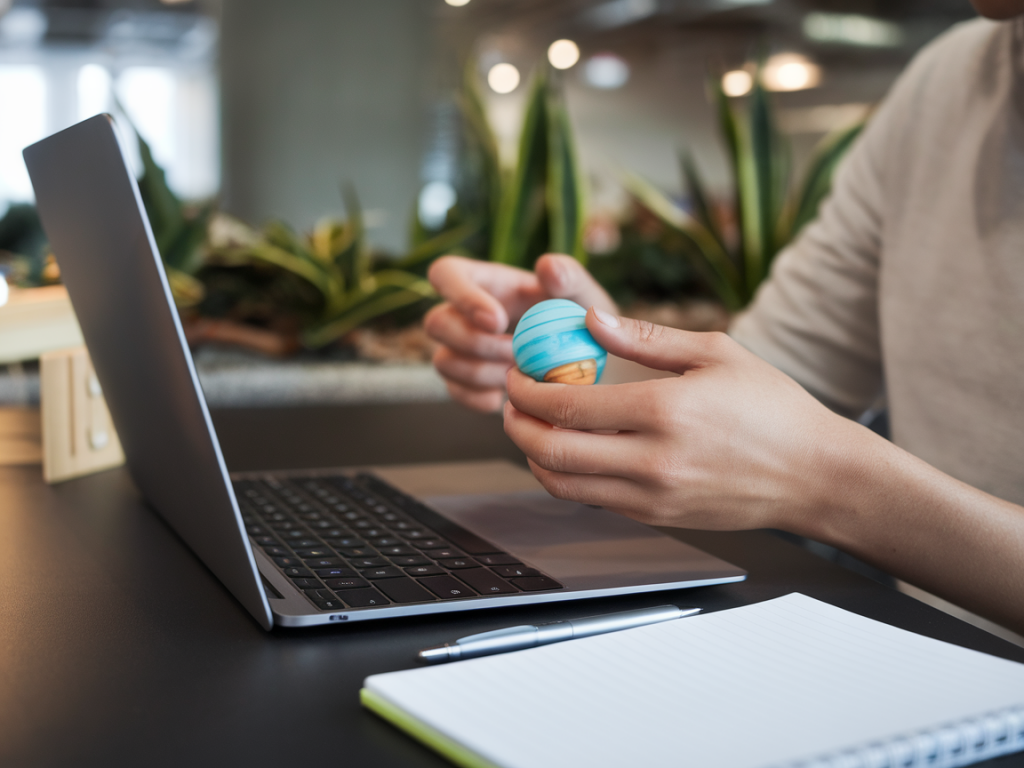
I’m a big believer in small, repeatable practices that fit into a busy day — not perfect routines that require an hour you don’t have. When meetings pile up back-to-back, stress can build in subtle, cumulative ways: jaw tightness, shallow breathing, a foggy head. Over the years I’ve experimented with microroutines that slot neatly between calls. They’re quick, doable, and purpose-built to lower your heart rate, restore focus, and help you show up calmer for the next conversation.
Below I share how I design a stress-reduction microroutine you can do between meetings, with clear options for 1, 3, 5 and 10 minutes. Think of this as a toolkit: pick one or two moves that feel right, and repeat them daily. Small, reliable habits add up.
Why micro routines work
Between meetings you don’t need to deeply meditate or go for a run — you need a fast reset. Micro routines work because they:
When designed well, they’re so low friction you actually do them.
Design principles I use
When I create a microroutine I ask three simple questions:
Then I combine one element from each of these categories: breath, movement, sensory anchor, and mental reset. Below are patterns I use again and again.
Quick building blocks (pick one of each)
Micro-routines you can try
Below are four ready-made routines depending on how much time you have. I keep these as quick bookmarks in my phone and cycle through them depending on the day.
| Time | Routine |
|---|---|
| 1 minute | |
| 3 minutes | |
| 5 minutes | |
| 10 minutes | |
Practical tweaks that make these stick
There’s a difference between liking an idea and actually doing it. These tweaks helped me turn micro practices into habits:
How to measure impact without overdoing it
Notice small shifts rather than chasing dramatic results. After a week, ask yourself:
If the answer is “yes” to any, your microroutine is working. If not, tweak one element — maybe swap breathwork for movement, or try a different sensory anchor.
What to avoid
Don’t let the microroutine become another to-do. If it feels like a chore, simplify further. Also avoid heavy screens during your reset — a real sensory break is far more restorative than scrolling social media.
If you want a printable cheat sheet, I keep a simple PDF on Phnxfitness Co with these routines and a few extra mobility flows. You can find it at https://www.phnxfitness.co.uk under the Stress Relief category. Try one routine tomorrow and notice a small difference — often that tiny shift is the start of a better day.